Chapter 4
"A good, hard-working stump of a girl"
Irish Women's Work and the Construction of Identity on the Southern Avalon

Irish women from the more moderate climate of southeast Ireland found themselves in somewhat altered circumstances in terms of work routines in Newfoundland. Witness the following account from the travel musings of Aaron Thomas while visiting the island in 1794-95:
Do you know that in this Country, in the Winter time, a girl can Milke a Cow into her Apron and carry the Milke home in it? If she Milkes the Cow in the open air the intensity of the weather will freeze the Milke as it falls from the Cow into the Apron and [it will] remain there, a hard, conglutinated, frozen mass, until melted by heat.1
Even allowing for Thomas's stylistic leaning towards occasional hyperbole, it is certain that Irish immigrant women would have had to modulate their skills and work rhythms to harmonize with a fishing and subsistence farming economy on the southern Avalon. Still, they also found themselves far removed from the congested farmlands of the home country, in a place where they and their families could occupy property for fishing and subsistence agriculture with minimal interference and move freely through woods and meadows, gleaning firewood and foraging for local plants and berries—a place where the game in the forests and fish in the streams were available to all comers.
As these women adapted to a new physical and socioeconomic environment, they assumed vital roles within the division of labor in early fishing settlements, and this understanding of women's place within the work cycle contributed significantly to the configuration of self-identity and the construction of Irish womanhood within the Irish plebeian community. The feminine ideal that boarded the ship in the home country and thrived within the context of immigration and early settlement was that of "a good, hard-working stump of a girl."2
^topHousehold Production
Transient fishermen and shoremen had made up the primary work crews of the early Newfoundland fishery in both its migratory and sedentary sectors. But by the mid-1700s, the evolution of the family work unit in the planter fishery had begun, and the momentum of this transition increased through the end of the eighteenth century and into the nineteenth. Household production became essential to survival in both the fishery and subsistence agriculture, and men and women followed the rhythms of complementary work routines. These rhythms were grounded primarily in efficiency and pragmatism rather than rigid perceptions of men's and women's work.3
Cod Fishery
5One of the greatest adaptations required of Irish immigrants to the area was the shift from an agricultural base to a fishing economy. The cod fishery was the primary industry of the island, and the mainstay of the local economy on the southern Avalon during the eighteenth and nineteenth centuries. By contrast, Ireland, although also surrounded by the sea, had not developed a significant fishing industry outside a small-scale effort on the west coast.4 Most immigrants from the southeast of Ireland, then, would have had to learn a new set of skills to earn their livelihood in Newfoundland. For a number of men, the transition was gradual, coming out to Newfoundland on a migratory basis as youngsters, gaining experience as they found a niche within the ranks of shore and boat crews,5 and ultimately making the decision to remain. But women tended to be permanent immigrants, and thus they were pitched headlong into this new form of enterprise with little preparation or training. Their capacity to adjust quickly to fishing production was a critical aspect of adaptation to life in the New World and a vital contribution to the success of the settlement process.6
Some women, primarily widows, became fishing employers or household heads who operated fishing premises in their own right.7 This was signified, for example, in a notice issued by Ferryland magistrate Robert Carter in 1787 that fishing servants were not to be served liquor, "unless it be by and with the Consent of his Master or Mistress in writing";8 the implication was that women were employing servants in the industry, not just in their capacity as wives in planter households (in which case, under the principle of coverture, the consent of the "Master" would have been sufficient), but under the status of feme sole.9 Indeed, a number of these women were mentioned by name in the records. In August, 1768, for example, Governor Palliser ordered the magistrate at Ferryland to tax twenty-four persons in the district who had kept dieters the previous winter, "as the entertaining [of] Idle People, is the cause of all disorders and mischiefs in this Country."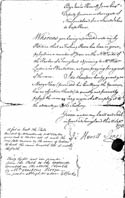 Listed among the employers was Mary Shea, who had housed three dieters over the winter (slightly more than the average of 2.75 and the median of two hired by the total group); her fine totaled £1.2.6 (7s. 6d. per servant), and in default of payment, fish and oil of equal value were to be seized.10 Five years later, the same Mary Shea was granted a fishing room on the northwest side of Ferryland harbor, which had already been in her possession for a number of years, "to quietly and peaceably possess the same so long as you shall employ it to the advantage of the Fishery."11
In 1775, Alice Thomas, a fishing employer at Renews, was sued by two fishing servants for their wages; Alice had assumed control of the premises after the death of her planter husband, Thomas.12 Similarly, Catharine Clements was the proprietor of a fishing premises and fishing employer in Renews in the 1780s and 1790s, having also taken over the management of the premises at her husband's death.13 Case File 2 In 1794, Jane Holly was one of several boatkeepers in Ferryland district entangled in a dispute between a former and current fishing supplier.14 In the 1820s, Ann Ryan rented a fishing room and premises in Caplin Bay—including stages, flakes, beaches, dwelling house, gardens, and lands—from Philip Tree for £6 per year.15 The rent of a fishing room was charged against the account of Mary Row of Renews in the Goodridge ledgers in 1839 and 1841.16
The names of several women—Sarah McCarthy, Mary Murphy, Dorothy Cantwell, Mary Morris, Widow Blanch (and Son)—appeared in the Sweetman ledgers for the 1820s and 1830s with credit entries for fish and oil, indicating that they were either fishing employers or heads of family production units.17 Catherine Kenny and Sons also produced fish and oil that they sold to the Goodridge's Fermeuse establishment in 1840 and 1841.18 Other family ventures in Renews operating under the names of "Rachel Welsh and Son"19 and "Elizabeth Beaves and Son"20 were most likely fishing production units as well. Furthermore, liquor licensees in the eighteenth and early nineteenth centuries were required to operate at least one fishing shallop in the fishery, so by inference, any female licensees were also boatkeepers (see section on hospitality trade, below). And these are just the women's names that have survived in the written record; they likely do not constitute an exhaustive list of all women who operated fishing premises as femes sole in the period.
Certainly, however, a far greater number of women managed fishing plantations with their husbands or common-law partners, with the responsibility of boarding fishing servants and dieters added to their other household and subsistence duties. And increasingly, plebeian women participated in processing fish in family production units, replacing the hired, transient, primarily male shore crews of the traditional planter fishery. As noted in the previous chapter, this assumption of shore work occurred at a critical juncture in the fishery. Without women's presence and their capacity to adapt their routines to include this additional, labor-intensive work on flakes, the beleaguered planter fishery would have been hard pressed to survive the roller-coaster effects of the French-Revolutionary and Napoleonic War periods and, more particularly, the recession that followed.
10 Most women who worked in family units were primarily involved in making fish, curing and drying the cod on shore. After the fish was headed, gutted, and split (operations usually, but not exclusively, performed by men), men or women carried away the fish in barras for salting. Larger fish were laid in saltbulk while smaller fish were pickled in puncheon tubs. After about five days, the fish was washed, again by men or women or both, using water drawn from the ocean in large tubs. They then loaded the fish (at this stage, called waterhorse) on barras and transported it over rocky shorelines and hills, sometimes even over steep cliff faces, to a flake or a beach for drying. This required considerable strength, given the heaviness of the green salted fish, but it was not unusual for women as well as men to carry barras.21 At this point, the women's work began in earnest. Every morning (weather permitting), the fish were spread flesh-side up for drying; in the evening, the fish were gathered up in yaffles, or armfuls, and turned skin-side up in small piles called faggots.
 Throughout the process, women had to guard against fly-blows, waving away flies with boughs to prevent them from landing on the fish, or scrubbing away fly-spit containing eggs that would hatch into maggots and spoil the cure (see Audio Sample No. 36). As the fish became drier through respreading, the size of the faggots was increased until the fish could be placed in piles. When almost completely dried, the fish was laid in small bulks in a fish store; and after several more dryings on the flake, it was piled in larger bulks in the store, ready for shipping to market.
Women's skill and judgment were critical throughout this process, for if the fish did not contain the right amount of salt or moisture for its intended market, the quality was ruined. Also, as more and more fish was processed, various stacks would be at different stages of drying, requiring good organizational skills and a careful eye to detail. An examination of the relatively high wages paid to hired shore crew (see Table 4.1)—and, arguably, some women performed the equivalent supervisory duties of a master of the voyage—demonstrates the monetary value, and hence the importance, assigned to this work by the industry. Thus, while women did not receive wages within the family production unit, the intrinsic value of their processing work to the household was considerable. Of course, making fish had to be juggled with childcare and housework as well as other outdoor work (notably, weeding, milking, berry-picking, and haymaking). And if a rain shower threatened during the daily drying process, women had to drop anything else they were doing and run to the flakes to cover the fish with long strips of dried tree bark, kept in place by a network of boughs and rocks (see Audio Sample No. 9). Indeed, while all duties had to be balanced efficiently, none was to take priority over making the fish properly. As one elderly Cape Broyle woman observed, "If the fish wasn't spread when the men came in [from the water], there'd be some racket."22
In peak periods, when fish were plentiful, women worked at the fish through the night along with the men. At such times, it was not uncommon to find women on the stage involved in the pre-drying stages of processing. Some women helped the men prong the fish from boat to stagehead. More commonly, women pewed the cod through the open windows onto the cutting table; skill and precision were required to stab the fish in the head only, for fish that was broken, or damaged in the body, brought a lower price. Women also assisted in splitting fish—again, a stage that required care and dexterity to protect the quality of the finished product (note in Table 4.1 the high wages paid to hired splitters, signifying the value of this work). And a woman who was proficient at cutting cod tongues and sculps for local consumption was a highly regarded worker as well. But while fishing was seen solely as men's work, and women who worked at the earlier cutting and splitting stages were usually deemed to be "helping the men" (except those few women who did this work on a regular basis), making fish came to be considered within fishing families an integral part of women's work. In the eyes of the local plebeian community, women were not merely helping on the flakes and beaches; rather, "Women made fish along with the men."23 Indeed, in peak catching periods, the curing of fish became almost exclusively the preserve of women, assisted by older children.
Furthermore, although the work performed by Irish Newfoundland women in the fishery was difficult in terms of physical labor and time management, these women did not view the task as drudgery. Indeed, according to twentieth-century informants who had split and made fish themselves, women "loved to be out at it."24  Many women hired domestic servants (commonly called shipped girls) not just to help with household routines, but to "free" them from their housework so that they could join the men on the stage and flake. Others relied on older daughters or grandmothers to supervise the household and younger children in their absence, and it was not uncommon for a nursing infant to be breast-fed on the stage or flake and then settled away in a sawed-off puncheon tub while the mother worked on. Nor was the "respectability" of these women at issue. Women saw it as their right to participate in a family enterprise in which they held an equal stake, and they took pride in their capacity to contribute to the process. At the same time, the value and dignity of their work was acknowledged by the larger community. The perception of these women as essential, skilled workers in the fishery was an integral part of their own self-image and of the construction of womanhood within the plebeian community in general.25
Subsistence Agriculture
While saltfish production was a new venture for Irish immigrant women, many would have been quite comfortable with the performance of agricultural work. Still, adjustments had to be made in adapting to their new environment, even if they were not quite as dramatic as diarist Aaron Thomas implied. Most certainly, Irish immigrants encountered less fertile soil conditions and a less temperate climate, with later springs, hotter summers, and much harsher winters than in their home counties in southeastern Ireland. With poor soil and a short growing season, there was very little development of commercialized agriculture on the island, and thus the small-scale farming or agricultural laboring backgrounds of many Irish immigrants were refocused on subsistence agriculture to support fishing incomes. 15
Some adjustments also had to be made in terms of produce, although there was a good deal of continuity as well as change. The potato had been introduced to Newfoundland by the middle of the eighteenth century,26 before the major influx of Irish to the island, and grew well in local conditions. However, the potato was not as large a feature of the pre-famine Irish diet in the home country as historians once believed. Granted, the diet of cottiers and landless laborers was rather monotonous, although still nutritious, with staples of potatoes, milk, eggs, and fish until dependence on the potato increased in the decades before the famine. But outside this class, the Irish ate a varied diet, including meat (pork/bacon, mutton, some beef), milk and its by-products, cereals and grains (bread, porridge, stir-about, oatcakes), potatoes, peas, beans, cabbage, fish, fowl, and eggs.27 Most of these items were available to the Irish in Newfoundland either through their own production efforts or from their supplying merchants. The greatest shift in diet was a decreased dependence on cereals and grains, which could not be supported by the local climate (although imported flour and hard bread were available) and a greater dependence on root crops (not just potatoes, but carrots, turnips, and parsnips) that could more readily survive the peculiarities of the Newfoundland growing season.
Some efforts were made to stimulate local agriculture in the late eighteenth and early nineteenth centuries, but despite the increasing acreage of cleared land (much of it for meadows), the island remained dependent on outside supplies of many foodstuffs.28 Because of this, there is a tendency in the literature to be somewhat dismissive of farming efforts along the English Shore. But subsistence agriculture did help to support growing populations in local communities, complementing the predominantly salted or dried provisions purchased on credit from the merchant (usually salt pork and beef, flour, tea, butter, molasses, dried peas, and rum) by providing a reasonable variety of fresh produce, meat, eggs, butter, cream, and milk for local consumption. Furthermore, subsistence production cushioned the impact of variations in provision prices and supplies from year to year, and helped to mitigate the hardship of bad fishing seasons.29 Women on the southern Avalon contributed significantly to this effort, often in less than ideal circumstances, working to ensure the survival of families and communities.
Gardens and fields: Members of the plebeian household shared the work of preparing and maintaining vegetable gardens: some near the house, some in back meadows. Indeed, spring planting and fall harvesting were cooperative affairs, with men's and women's efforts complementing each other. In the earliest period of settlement, both men and women engaged in the heavy physical labor of clearing land, stone-picking, digging and fertilizing gardens, trenching potatoes, and harvesting vegetables. Indeed, one oral informant told of women pulling plows in the "old days,"30 although spade and hoe agriculture was likely the predominant form of ground preparation through most of the period under discussion. Still, labor-intensive farming methods were hardly strange to women who had hailed from farming areas in Ireland, where genteel observers of the eighteenth and early nineteenth centuries were horrified at the physical nature of women's agricultural labor. One shocked Englishman noted in 1812:
Females in Ireland are treated more like beast[s] of burden than rational beings, and although I never saw anyone yoked to a plough… I have seen them degraded in a manner disgraceful to the other sex and shocking to humanity. In the country, they are subjected to all the drudgery generally performed by men; setting potatoes, digging turf and the performance of the most laborious occupations.31
But women's work—often hard physical labor—was essential in family agricultural enterprises, ranging from the cottier's potato plots to the small, semi-subsistence farms that were a common feature of the pre-famine Irish countryside.32 Rural Irish families could ill afford to defer to the sensibilities of middle-class observers. Similarly, the Irish plebeian community on the southern Avalon had not yet absorbed gender ideologies that designated women as the "weaker" or "gentler" sex. Women's farm labor was part of a comprehensive package of survival skills that they brought to all family enterprises.
As families on the southern Avalon became more established and grew in size, however, men tended to assume tasks in the gardens that required greater physical strength—digging and trenching, for example—although this was certainly not a hard and fast rule, with women continuing to participate on an as-needed basis (for example, in the case of male absence or of a small family with no extended kinship networks). Otherwise, women were generally responsible for setting vegetables, transplanting cabbage, fertilizing, thinning out crops, and weeding through the growing season, as well as harvesting greens and gathering up the root vegetables that had been dug by the men in the fall. Still, this was hard physical labor, and sometimes unpleasant by current standards: spreading cods heads between the transplanted cabbages, for example, or stable manure and caplin on potatoes as the men followed behind, trenching and covering the fertilized seeds or plants with soil, were hardly tasks for those fastidious in nature. In the early days of settlement, women may also have been involved in a practice that was common in coastal areas of Ireland: carrying seaweed on their backs from the shore to gardens for fertilizing.33 Certainly, one of women's most specialized tasks on the southern Avalon was growing seeds—that is, sowing and nurturing seedling plants—and they took pride and care in doing so because strong seedlings ensured the harvest. Some women developed reputations for consistently producing good plants that were sought by others for their own gardens—a source of status in communities that lived so close to the margin.
20Aside from larger gardens, every family also tended a kitchen garden. The kitchen garden supplied "a little bit of everything"34: some root crops, cabbage, beets, peas, rhubarb, hops, black currants, gooseberries, strawberries, flowers, and plum and apple trees. Men helped to prepare the beds in the spring of the year, digging furrows while women set their seeds. Thereafter, however, the kitchen garden became a woman's preserve in terms of both responsibility and usage.
Haymaking, by contrast, involved the entire household, although the actual curing was in the women's care. When the long grass in meadows had grown to a foot or more, the men cut it with scythes and left it in swathes overnight. The task of spreading and drying the hay was performed by women, assisted by older children, not because it was secondary in importance, but because it had to be done in daylight, when the men were fishing. The women turned out, or spread, the grass in the morning, turned it again later in the day, and then pronged it into cocks and left it overnight. As with the process of drying fish, the piles were initially small while the grass was green to deter rot, but steadily increased in size as the hay dried. The spreading and cocking process was repeated until the grass was sufficiently dry for storing in the family's stable loft. Men and women carried hay from meadows near the stable on their backs, in hay-cloths made of brin bags. Hay from back meadows was transported on hay-frames (trellis-like structures drawn by horse and cart). Men and women pronged the hay into stable lofts, where children compacted the dried grass by jumping into the piles and then stowed it as tightly as possible into every available nook and cranny to maximize storage.
Overall, work routines in the gardens were generally dictated by expedience and availability. Men and women worked together in the spring and fall at planting and harvesting, but in the summer, when men spent most of the day fishing, women assumed the greater responsibility for the gardens. Physical strength determined to some extent the division of labor after families had become more established, but women did perform hard physical work and were capable of taking over men's duties when needed.
Animal husbandry: Plebeian families on the southern Avalon kept a variety of livestock—sheep, chickens, cows, horses, pigs, and, to a lesser extent, goats—to meet household requirements for food and clothing. Of course, the number and type of animals varied with the affluence of the household, and some poorer households had none at all, but local networks of exchange (some eggs traded for butter, for example, or some cabbage seeds for wool), third-party transactions through the merchant, or even a neighbor's charity could often compensate for a lack.
Again, the rota of duties associated with men and women meshed with other work rhythms. Men were responsible for stabling and feeding animals during the winter. In the summer, horses were let out into meadows to graze, and cows, sheep, and goats ranged freely through the community. However, the family cow(s) had to be milked morning and night, and therefore had to be rounded up every evening; and as the men were usually occupied with fishing at the critical period, it was women's responsibility to locate the animals, which had sometimes roamed over a mile away, and bring them home for milking before joining their menfolk on the stages and flakes. Milking cows and goats was mostly done by women, regardless of the season, and the milk was used mainly for household purposes.
25The family's hens, housed near the stable and within close range of the house, were also primarily the responsibility of women throughout the year. Women fed them twice a day (usually household scraps or a mash of boiled vegetables) and gathered eggs each morning. Both women and men slaughtered chickens for the family table, but the preparation for eating—the plucking and cooking—was women's work. Shearing sheep was often a joint enterprise. In some families, the men spanceled and held the sheep while the women clipped their wool and marked them with the family's distinguishing mark. In others, the roles were reversed, with women holding the sheep while men did the shearing. Some informants stated that both tasks were performed solely by women. Certainly, further processing of the wool was women's work (see below).
Irish women, then, were actively involved in animal husbandry and field work on the southern Avalon. Indeed, their valuable role in subsistence agriculture continued well into the twentieth century, unlike that of women in Ireland and Britain, who were increasingly marginalized from farm work (both paid and subsistence) with the spread of capitalist agriculture.35 As with women's work in the fishery, there were no connotations of drudgery or lack of respectability attached to women's work in gardens and fields on the southern Avalon. This contrasts with mainland colonial contexts, where there was considerable pressure to remove the wives and daughters of farming families from the fields into the home and replace their labor with that of indentured servants and slaves. In mainland colonies, white women's field work was seen as aberrant, a sign of poverty and inferiority (although often a necessary evil in newly establishing areas).36 The reverse was true within the plebeian community on the southern Avalon; there, servant girls were employed to release their mistresses from household tasks so that mistresses could contribute effectively to more important family enterprises. Indeed, a family's ability to hire servant girls and free the mistress for productive work was a sign of its increasing affluence, not its poverty, and most women did not aspire to escape outdoor work and immerse themselves in housewifery. Middle-class women on the southern Avalon did follow the pattern of withdrawing into domesticity during the period (see Chapter 9) but their aspirations to retire from productive work were not absorbed by the plebeian community.
Housewifery
 A key aspect of women's contribution to household production was the performance and management of routines necessary for the efficient maintenance of the household. This involved a whole repertoire of tasks and skills, such as cooking, cleaning, sewing, spinning, knitting, preserving fruits and vegetables, and household repair. Of course, housewifery was not as developed in the first years of settlement as it would become later in the study period. Houses were more rudimentary and had little furniture and few amenities.37 Women initially delegated more of their time to outdoor efforts, working with the men to clear land and establish gardens in addition to performing their vital work in the fishery. Basic equipment for maintaining the household was introduced over time; spinning wheels and butter churns were luxuries that came later, if at all (some women had to rely on others to spin their wool for them, and many were still churning butter by hand well into the twentieth century). But eventually, as families became more established, as houses expanded to meet growing family requirements, and as nonessentials (such as individual dishes and bedsteads or decorative furnishings) increased, women's household duties expanded proportionately.
Still, women had to maintain a balance between productive work and housework, and the former took priority. In the British Isles, as women increasingly retired from productive work into unpaid housework throughout the nineteenth century, household cleanliness became linked with working-class respectability, and working-class women joined battle against pollution and dirt, maintaining new standards of "decency" by whitening doorsteps and black-leading grates.38 While similar standards of cleanliness were certainly maintained by women on the southern Avalon by the twentieth century, it is unlikely that they were possible (or even aspired to) in the earlier days of settlement, although some movement in this direction may have been taking place by the mid-nineteenth century. More central to housewifery during the earlier time frame were the techniques necessary for the processing of raw materials (either produced by the family or purchased from merchants) into usable goods for the household. With this repertoire of skills and activities, women fed, clothed, and generally sustained the family work unit.
Most of the family's agricultural output was readied for household use by women. After milking the cows, for example, women prepared the milk for family consumption. The milk was strained into pans and placed in the pantry to set (let the cream rise); then it was placed on a hot stove to scald, and the cream was skimmed off the top. (A small amount of scald cream was occasionally set aside for eating as a special treat.) The skimmed milk was then cooled in the pantry and used as required for drinking or baking, while the cream was churned (often by hand) into fresh butter for the family table, a product deemed far superior to the butter imported by the merchant. Buttermilk, a by-product of the churning process, was used in baking.
30 Similarly, after sheep were shorn, women took over the processing of the wool, drawing on expertise developed in the domestic woolen industry of the home country. They washed, picked, and carded the fleece, spun the wool and wound it into hanks, then washed and dried it. Through the fall and winter, they knit the wool into a multitude of functional items of clothing for their families—an assortment of durable vests, mittens, sweaters, buskins, socks, stockings, vamps, caps, scarves, palms, and winter petticoats. Any family clothing that was not knit was sewn by women, who turned out a full
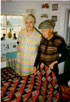 complement of under- and outer-wear for family members—summer drawers and petticoats, skirts, dresses, blouses, shirts, pants, jackets and coats—sometimes using fabrics purchased from merchants, or more often, recycling older clothing or cotton sacks that had been boiled with lye soap to remove any markings and then dyed. Women also made all manner of bedding, from quilts, sheets, and pillowcases to mattresses, cushions, and pillows. In addition, they sewed items necessary for outdoor productive work, such as oilskins, oil petticoats, bonnets, and sails for the fishery as well as hay-cloths from brin bags for carrying loads of hay from the meadows. They also hooked mats in the winter, transforming piles of colored rags into patterned rugs (some basic, some quite intricate) by pulling them with a mat hook through a burlap backing stretched across an adjustable rectangular wooden frame.
While gardens provided much of the fresh produce for the family table, women also foraged through woods, meadows, and bogs for wild plants for dietary and medicinal purposes. Berry-picking sometimes became a family excursion, but it was most regularly done by women and children. Women made jams, jellies, and wines from a wide variety of local plants, including marshberries, cranberries, bakeapples (or cloudberries), blueberries, partridgeberries, and rhubarb. They made beer from spruce boughs, juniper bark, or hops from their kitchen gardens. The versatile hop was also mixed with potato and molasses to make barm for raising bread. Women also collected plants for their stock of home remedies: dogwood and cherry branches for cough medicine; wormwood to cure hoarseness; bog vein for tonic; juniper bark for tonic and tea. And while Irish women were accustomed to the role of family healer, their repertoire of cures and ointments had to be adjusted after migration to compensate for the lack of some traditional ingredients with the careful addition of unfamiliar flora from the southern Avalon.
In addition, women collected firewood—a familiar routine for Irish women, who were used to carrying heavy sacks of peat on their backs, sometimes over long distances, in the home country.39 Men did more substantial cutting of wood during the winter, bringing their loads home by horse and cart, piling the long poles into wharves of wood until they could be chopped into junks in the woodyard. But in the summer and early fall, it was women who foraged in the woods for windfall branches, returning home with brin bags full of brambles and loads of bresneys and blasty boughs on their backs so large that "you just could see their feet coming along the road."40 These branches were used to make fast, hot fires in the summer for baking or meal preparation. And throughout the summer, women went to the woodyard to gather loads of chips in their aprons to light quick fires for small cooking jobs—baking buns, for example, or frying fish.
Women were also primarily responsible for drawing water for family use, although this task was sometimes transferred to children as they got older. Water for washing floors and clothing was often taken from nearby ponds or streams, but drinking water preferably came from wells, which were usually uphill and often a quarter to a half mile away from the house. Wells were usually quite deep, and the water was drawn by lowering and raising a bucket on a string or a gaff. When water had to be transported over a long distance, women carried buckets with the assistance of a hoop from a puncheon tub. This was a miracle of engineering simplicity, for the hoop was not attached to the woman, nor were the buckets fastened to the hoop in any way. After filling two buckets, the woman laid them on the ground on either side of her, draping the handles outward; she then laid the hoop on top of the buckets, pulling the handles back in toward herself as she lifted them, so that the counter-pressure helped to keep the buckets away from her legs and balance the load. Still, this was hard physical labor, requiring several trips and involving loads of up to five or six gallons. Wash days were particularly demanding, as tubfuls of water had to be transported and boiled on the stove before soiled washing was added, together with soap that the women had made from fatpork and wood ashes from the grate.41 On fine days in the summer, however, women often took their washing directly to the sides of ponds and rivers and did their scrubbing on the rocks.
Women did most of the baking and cooking for their families, transforming provisions from the merchant's store and their home-produced fruits, vegetables, milk, eggs, fish, and meat into a reasonably varied and nutritious diet for the household. In the days of early settlement, meal preparation was done on an open fireplace—a time-consuming task requiring large amounts of firewood and frequent trips to the woodpile as women stoked the fires in central hearths and did their cooking on the dog irons. There was one general exception to this assignment of cooking duties to women: when men were out fishing, they cooked a meal of stewed fish and potatoes for themselves in sawed-off puncheon tubs insulated with clay and rocks; but it was common for women to prepare the men's grub boxes, which contained all the items, other than fish, that the men would require for their mug-up on the boat, such as tea, molasses, bread, and perhaps a piece of gingerbread. All other meals and mug-ups were women's responsibility, as was the family's baking: the endless production of raisin buns, frozies, pies, gingerbreads, bottomers, and several batches of bread per week (indeed, some women with large families baked bread daily).
35Women also had to turn their hands to home repair. While houses, outbuildings, and fences were generally constructed by men (although, again, the initial building of structures was sometimes shared by the sexes in the very first years of settlement), women were very much involved in their maintenance and were expected to be able to lime a house, replace fence pickets, or tar a roof along with the men in the family (or, more often the case, without them during the fishing season).
In terms of household production, then, women within the Irish plebeian community of the southern Avalon worked indoors and outdoors, through long days, in all seasons of the year to sustain their households. And the continuous roster of production and household duties had to be juggled around the requirements of child and elder care, which usually fell within the province of women's work as well.
Wrecking and Salvaging
One household enterprise that was more common on parts of the southern Avalon than many other areas of Newfoundland was the salvaging and recycling of items from wrecked vessels. While this type of activity is not usually found in discussions of traditional household production, it was part of the repertoire of economic coping strategies in the area and therefore deserves mention in an examination of how families survived in the years of early settlement. The greater incidence of this activity on the southern Avalon was not due to the transfer of a wrecking tradition from southeast Ireland, but to the geographical position of the shore—a long and treacherous finger of coastline abutting much-traveled shipping lanes between Europe and North America—and an unpredictable climate marked by impenetrable fogs, shifting currents, coastal ice, and sudden storms. Indeed, the southern Avalon has been the site of so many shipwrecks over the centuries that mariners have labeled the southernmost point of the shore, the area around Cape Race, the graveyard of the Atlantic.42
There is no doubt that people on the southern Avalon benefited in varying degrees from many of these shipping disasters, although it is important to differentiate between levels of participation in wrecking and salvaging activities. There were probably very few incidents of actual, deliberate wrecking of vessels. The oral tradition does ascribe this more sinister activity to certain families in particular areas (usually the more southerly portion of the shore, including Renews, Cappahayden, Trepassey, St. Shott's, and Portugal Cove South). Some people in these communities, for example, are said to have tied lanterns on the horns of cows on stormy nights to lure unsuspecting vessels onto the rocks. One particularly ruthless man from an especially notorious family of wreckers is claimed to have bitten the finger off a dead man's hand to obtain a ring that stubbornly clung to the swollen finger of the corpse. Informants asserted, however, that most local people would not have participated in deliberate wrecking activities. Certainly, none of these tales appeared in written documents of the day.
Over-zealousness in salvaging items from a wreck was the more common accusation leveled against the people of the southern Avalon. Governors' files, court records, and newspapers of the period contain various complaints against local inhabitants for mistreating shipwrecked crews and passengers and stealing items, or at least precipitously removing them, from vessels that had not been fully abandoned.43 However, while local inhabitants were usually anxious to obtain their share of salvage, they were also, on a number of occasions, commended for their bravery in rescuing crews and passengers from distressed vessels and for their generosity in housing, clothing, and feeding victims and attending to their injuries.44
40But humanitarian sensibilities aside, the wrecked property from a vessel was seen as a windfall, and boats often came from communities all around the site to reap the rewards. Of course, salvage operations after a vessel had been abandoned by its captain and crew or had otherwise become derelict were a common and legal means of obtaining property and/or extra income in maritime communities. Generally, local salvagers were awarded from one-third to one-half the value of recovered property.45 There was considerable discrepancy, however, between legal definitions of salvage and what local inhabitants perceived to be their entitlement. Indeed, the government's introduction in 1860 of a system of wreck commissioners was deeply resented by most people on the southern Avalon. The legislation called for the appointment of commissioners in every electoral district to attend at the site of wrecks and oversee the salvage and distribution of wrecked property as expeditiously as possible. The statute also established various fines and penalties for taking property from a wreck and failing to report it, and gave the wreck commissioners "full power to suppress all tumults and disturbances" at the sites of shipwrecks.46 Clearly, then, the legislators were anticipating open hostility and resistance to the measure. Certainly, within the plebeian community on the southern Avalon, the system was perceived as a scheme for taking a source of income from "the poor starving people" and hoarding all the spoils for the government. Hence, there was a tendency to race against the arrival of the wreck commissioner in a pre-emptive local salvage effort, for "what the people could steal is what they'd get."47 Audio Sample
It is difficult to assess women's involvement in salvage activities. While it was unlikely that they actually took to boats to reach foundering vessels, there are suggestions that women joined with men in stripping wrecks that had come ashore and combing the beaches for articles washed in by the tide.48 Gender-inclusive language was often used in contemporary documents about illicit activities at wreck sites. Complaints of local plundering, for example, were made against "the People at and about St. Maries" in 1777, the "local inhabitants" of Ferryland in 1782, the starving "inhabitants" and "riotous and tumultuous assembling of people" in Bay Bulls in 1817, and "the inhabitants" of the Point La Haye neighborhood in 1844.49 Similarly, in the court cases that followed the wreck of the Spanish barque La Plata at Trepassey, the ship's captain discussed ensuing events in gender-neutral terms, referring constantly to the "people" on the beach who, he claimed, disabled and plundered the vessel. He also specifically referred to two women among the crowd: the wife of local magistrate George Simms and another woman, who took the captain and crew to their homes for food and dry clothing. While the magistrate's wife was probably not one of the "mob," the unidentified woman may have been, for it was not unusual for residents to take items from a wrecked vessel, yet still take crew and passengers into their care.50
Until recent years, there has been a tendency among historians to interpret collective nouns such as people, crowd, mob, or inhabitants as "men," thus coloring more neutral, contemporary reports with latter-day assumptions. Especially if the ringleaders or arrestees in such incidents were male, historians have tended to gender the entire crowd male. But since the late 1980s, compelling evidence of women's central involvement in communal actions—most notably food riots, but also other forms of confrontations involving property and work—has challenged the discipline to rethink collectivities in terms of participation of not just men, but also women and older children.51
Several oral informants certainly acknowledged that women were involved in this level of salvaging activity, suggesting that it was more common in "the old days" than within their own lifetimes. One story of a specific incident in the early twentieth century, although outside the study period, illustrates by next-best approximation what was likely a long-standing tradition. In the wake of a wreck at Caplin Bay, a number of cases labeled "catsup" were washed up on the beach. This was a somewhat exotic item by local standards; indeed, inhabitants were not always sure of the purpose of the articles that came ashore after wrecks (in another instance, for example, pasta noodles were mistaken for tapers for lighting candles), but they gamely took the items home and found some use for them. So the catsup was a rare item, but a valued prize nonetheless. Two local fishermen had found a cache of the cases and were apportioning the catsup between them, when Mrs. Mary Margaret -------, "a very determined woman," came marching over the beach to fight for her share of it. One of the fishermen, a mild-mannered man named Mr. Jim -------, immediately relinquished his portion to her, saying: "I wouldn't have Mrs. Mary Margaret ------ on my back for all the 'cat soup' in the world."52 As this anecdote helps to illustrate, salvaging wrecked property from the coast was something that fell within the accepted range of women's work.
And oral informants all agreed that, whether or not they were directly involved in salvaging efforts, women had no moral dilemmas about using any items brought home from a wreck, but were instead ruled by pragmatism and a desire to give some small extra comfort to their families. Recovered foodstuffs were particularly valued as a means of stretching provisions or varying the diet.53  Furniture, shelves, deck planks, canvas, and doors provided welcome additions to household furnishings. Such items were seen as part of the bounty of the sea, a gift that it would be a "sin" to waste. One informant advised that wrecks were "better than the fall of the year [when families settled up with their merchants and obtained new supplies for the winter],"54 and virtually everything that was removed from vessels or washed ashore found a use. Audio Sample Indeed, most homes I visited for oral history research contained at least one item, and sometimes several, from wrecked vessels—some having been in the families for generations, others having arrived as recently as the 1940s. The salvaging of items from wrecks, then, was one of numerous economic activities in plebeian households, and one in which women played roles as both salvagers and recyclers as they worked to make ends meet for their families.55
Sexual Division of Labor within Households
45Along the southern Avalon, most family members (except the very young, the very old, and the sick) were expected to contribute to household production, and both men and women worked long hours, often at difficult tasks that required physical exertion, skill, and experience. But there was a gendered division of labor, although traditional dichotomies for conceptualizing work delegated by sex—such as skilled/unskilled labor, primary/secondary contributions, or indoor/outdoor work—are not useful in differentiating men's and women's tasks in this historical context. Indeed, there was a high degree of flexibility in the allocation of work routines.
Still, some duties were more clearly delegated along sex lines than others. It was very unusual for women to actually fish in the ocean, for example, although they did fish in fresh water for trout. But women's reproductive role, together with the degree of physical strength required to row out into the North Atlantic and pull handlines or seines filled with cod, steered women landward and allocated fishing activity to the men in the family unit.56 Yet even physical strength was not a clear criterion for the division of labor, for much of the landward work performed by women required a good deal of physical exertion. Furthermore, there was no traditional belief on the southern Avalon that women in boats were an "aberration" or that they caused bad luck.57 The universal explanation from oral informants for women's nonparticipation in actual fishing was that they already had "enough" or "too much" to do on the land. Certainly, women were not excluded because of a lack of capacity to cope with essential work; indeed, their involvement in shore work and in other productive efforts demonstrated quite the opposite.
Just as it was uncommon for a woman's hand to guide a fishing boat, so it was unusual for a man's hand to rock the cradle. Women generally assumed the responsibility for child care, but this was not because of notions of women as the "gentler" sex and superior maternal love—cultural facets of motherhood that were gaining prominence among the middle class but had not made inroads into plebeian culture on the southern Avalon in this time period.58 Indeed, eighteenth- and early nineteenth-century observers in Ireland noted that parents of both sexes were very fond of their children, a genuine affection that was not simply rooted in the need for large family work units and security in old age.59 Rather, Irish plebeian women's greater role in child care on the southern Avalon was prompted by women's reproductive role and life cycle and reinforced by a division of labor that sent men out on the water daily in the summer. Still, women did employ alternative methods of child care when possible—a servant girl or older daughter; an elderly mother or aunt; even, on occasion, a sawed-off puncheon on the stage or flake—in order to free themselves for productive work. Thus the responsibility for child care did not relegate plebeian women to the domestic hearth.
Indeed, in many work assignments, there was much blurring of boundaries. Heading and splitting fish was generally considered men's work, for example, but some women did it on a regular basis. Some women performed heavier physical labor in fields and gardens that was normally associated with men, such as digging and trenching. And in those families in which men were involved in a fall fishery, the harvesting of crops had to be managed by women (with the assistance of hired servants, if sufficiently affluent). There were also sub-layers of involvement in work routines, such that while certain work was designated as men's or women's, the other sex also participated in some capacity. Many women were involved in the process of trenching potatoes, for example, by laying the seed potatoes and covering them over with sod that the men had dug. Then there were the variations in scheduling of the same work. While both men and women worked in gardens and fields, for example, it was logical for women to assume greater responsibility for this work during the summer months because they were not out on the water. Similarly, the care of the family cow was the men's responsibility in the winter, and women's during the summer. Cutting firewood was men's work in the winter, but in the summer, it was women who scoured the woods for dried alder branches and blasty boughs for cooking. The work rota had a certain internal logic and rhythm that delegated tasks as much on the basis of availability and expedience as on gendered notions of ability or strength.
Work roles were also quite fluid, as men and women occasionally crossed over boundaries as needs arose. Men might do household chores in the winter, for example, when their wives were busy at more specialized tasks such as spinning or knitting, while women might split and head fish at the peak of the season when there were insufficient hands on the stage. When women did men's work or men did women's work on a temporary basis, they were perceived to be helping the other. A man might help his wife scrubbing floors, for example, or a woman might help her husband splitting fish. Men might help women drying the hay if it was a poor day for fishing, while women might help men tarring a roof. Women more often assumed men's duties than the reverse, however, and in cases of men's absence (for example, at the bank fishery or, less commonly, the seal fishery), women were entirely responsible for the management of all family work at home. While women colonists in New England and Upper Canada were generally perceived by their communities as helpmeets to their husbands,60 the Irish plebeian community on the southern Avalon did not make this clear-cut distinction, but assigned the status of helper to either sex within specific work contexts, based on a sexual division of labor that designated essential tasks to both men and women.
50Indeed, there was no perception during this period or beyond of women's work in household production (whether reproductive or productive) as secondary. If anything, they were seen as contributing more than an equal share, for, as one local informant stated and many others implied, "Women did it all."61 There was certainly no stigma attached to women's productive work within the plebeian community throughout the study period; indeed, there was no perception of a gender divide between productive and reproductive work, as work routines intermeshed and were shared by both sexes. Nor was a woman who did men's tasks seen as aberrant. Quite the reverse was true: a woman who could juggle all her own routines and step in and do a man's work when necessary was highly esteemed. Marriages were seen as economic partnerships in which both sexes held equal shares and carried equal risks. Work routines were roughly delegated by sex, but they were flexible. Within this schema, women were seen as essential contributors in a collective enterprise and their efforts were highly valued. In essence, a woman's versatility and capacity for hard work were integral parts of the way womanhood was defined, both by the women themselves and by the larger community.62 Audio Sample
^topWomen in Paid Work, the Hospitality Trade, and Proto-Professions
While almost every adult plebeian woman (barring ill health) contributed to household production on the southern Avalon, a smaller but still significant number also performed paid work, operated businesses in the hospitality trade, or worked in proto-professional occupations such as community healing and teaching. This facet of women's work has received only passing mention in the literature on early settlement in Newfoundland (usually only a sentence or two in descriptions of women's work). But for the women involved, it was an important means of earning cash or additional credit to support themselves or contribute to family economies.
Service
Service was the most common form of paid work for women during the eighteenth and nineteenth centuries. Originally, young women were shipped, particularly from Ireland by the latter part of the eighteenth century, to work as servants for planters and merchants along the southern Avalon. Various court cases throughout the study period, such as Elizabeth Cullen v. James Shortall (discussed in see Chapter 3), illustrate that the contracts by which these women were hired, whether oral or written, were perceived to be binding and that negotiated terms had to be honored by both employer and employee alike.
Fishing service: While most discussions of women servants in Newfoundland during the period assume that they were in domestic service, there is evidence that women were hired by local merchants and planters as fishing servants to process fish on shore. In the fall of 1797, for example, Anstice Dwyer of Brigus South sued Cornelius Kelly for her outstanding wages. Kelly was the agent for Irish merchants George and Thomas Kough, and had taken the entire voyage of Anstice's employer, John Sloan, before her wages had been paid. Anstice produced a shipping paper that she had entered into with Sloan—a written agreement by which she had contracted to perform the duties of heading, curing, and drying fish as well as cooking for Sloan's shore crew for wages of £9 for the season. The court ordered Kelly to pay Anstice the balance of wages she was owed in the amount of £4.10.0.63 At the seduction trial of James H. Carter of Ferryland in 1827, testimony revealed that he had hired his alleged victim, Ellen Delahunty, to cut sounds with his shore crew.64 In the fall of 1848, Ellen Leary of Ferryland sued John Butler for £2.10.0 Newfoundland Currency [Cy.] in payment for curing fifty quintals of fish that summer.65
Indeed, a number of employment disputes involving female fishing servants appear in the court records of the period (see Chapter 6). And there are other types of references to women's fishing service as well. In a diary entry for 13 July 1841, for example, Robert Carter commented on the abundance of fish being taken by local boats and noted in the margin that Mary and Betsy Kehoe were among the four servants processing it at his premises late into the night.66 The oral tradition also acknowledges the hiring of women for shore work.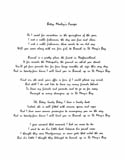 A local folksong, "Betsy Mealey's Escape," relates the true story of the ill-fated voyage of Betsy and several other women who had been recruited as fishing servants for the fishery at St. Mary's Bay.67 Some might argue that these women were merely isolated examples of an uncommon phenomenon. But given that almost all have come to light only because of difficulties they encountered with employers, it is far more likely that they signify a somewhat larger pool of women fishing servants, most operating without sufficient inconvenience to cause them to appear in court records or ballads of the day.
Indeed, according to local informants, Goodridge's premises at Renews hired large numbers of women to spread fish in the nineteenth century; they were supervised by a male master of the voyage and were thus regular shore crew.68 Audio Sample This observation is borne out by surviving ledgers of the Goodridge firm. The books for 1839 to 1841 are peppered with entries of payments to women for shore work in the fishery. Their rate of pay was 2s. per day—the lower end of the male shore crew's earnings, which ranged from 2s. to 2s.9d. per day.69 Some of these women were employed for only several days, but others worked on the flakes for extended periods. The following excerpt from the firm's "fishery" account for 1841, for example, demonstrates that local women worked an average of 21.4 days, within a range of 4 to 47.25 days:
| £ | s | d | |||||
|---|---|---|---|---|---|---|---|
| To | Julia McCarthy | 13½ | days work | @ 2s. | 1 | 7 | - |
| " | Esther Cahill | 45½ | D°. | D°. | 4 | 11 | - |
| " | Mary Power | 4 | D°. | D°. | - | 8 | - |
| " | Mary Conway | 47¼ | D°. | D°. | 4 | 11 | 6 |
| " | Mary Ann Fowler | 45½ | D°. | D°. | 4 | 10 | 6 |
| " | Fanny Devine | 6 | D°. | D°. | - | 12 | - |
| " | Fanny Rose | 12½ | D°. | D°. | 1 | 5 | - |
| " | Catherine Cahill | 22¼ | D°. | D°. | 2 | 4 | 6 |
| " | Phoebe Squires | 3¾ | D°. | D°. | - | 7 | 6 |
| " | Margaret Dunphy | 29½ | D°. | D°. | 2 | 19 | - |
| " | Nancy Gerian | 22¼ | D°. | D°. | 2 | 4 | 6 |
| " | Bridget Meagher | 4¾ | D°. | D°. | - | 9 | 6 |
Given the robust participation of women in family shore crews, it is hardly surprising to find fishing concerns that still depended upon hired labor, like Goodridge's, tapping into women's expertise and experience.
Domestic service: Nonetheless, women (particularly young women) were hired in increasing numbers for domestic service during the study period. In the eighteenth and early nineteenth centuries, servant women were recruited from the British Isles, especially Ireland, and became an integral part of planter households—cooking, washing, and sewing not just for family members but also for the fishing servants who were hired each season. As the population stabilized, these shipped girls increasingly came from the ranks of local fishing families, and domestic service became a life-stage occupation by which young women earned a small income and room and board while they prepared for married life. Whether they worked for traditional planter households or the ascendant family production units, few women on the southern Avalon remained servants for life, and most went on to become mistresses of their own households.70
Indeed, the question of the social mobility of female servants (fishing and domestic) on the southern Avalon (and Newfoundland in general) is an intriguing one.71 Because of the disproportionate sex ratios in the fishing population, there is reason to believe that servant girls who emigrated from the British Isles in the period of early settlement were likely more upwardly mobile than those who remained at home,72 marrying into planter and (less frequently) mercantile families after their arrival.
Perhaps the most striking example from the area was Mary (last name unknown), an Irish servant who came out to Ferryland circa 1650 in the service of Lady Frances Hopkins. Lady Frances was a political refugee and sister-in-law of Sara Kirke, wife of David Kirke, co-proprietor and governor of the island who had headquartered himself at the colony originally established by George Calvert (Lord Baltimore) at Ferryland.73 Mary eventually married the Kirkes' son, also named David, but her husband was captured by the French in their late-seventeenth-century incursion into the English Shore, and he died at Placentia in 1697. One or two years later, Mary married James Benger, an Irish Protestant merchant in St. John's. In 1708, she petitioned the British crown to have the Kirke property on the southern Avalon restored to her, as rightful heir to her first husband. Thus, the Benger family became major landholders in the Ferryland area.74
Of course, Mary's upward mobility was exceptional, and most men of the merchant-planter group married women of their own class (often women from the home country in the seventeenth and eighteenth centuries, and women from their local social circle or from St. John's in later decades). But marriage or cohabitation between servant women and smaller-scale planters was more common. A typical example of the phenomenon was Anstice Dwyer, the above-noted fishing servant who successfully sued for her wages in 1797 by producing a shipping paper that she had entered into with John Sloan. Apparently, they entered into another concordat as well, for by the taking of the 1800 census, Anstice and John were living together in a common-law relationship.75 The oral tradition and contemporary anecdotal evidence, particularly from British authorities on the island dating back to the late seventeenth century, suggest that many servant girls like Anstice married or entered into stable cohabiting arrangements with fishermen or planters and became mistresses of their own family fishing enterprises, some of which were quite substantial operations. Many women from service or laboring backgrounds who had emigrated from Ireland to the southern Avalon had thus likely increased their opportunities for moving up in the world.76
60Still, their lives as servants were filled with long days and hard work. The term "domestic service" had different connotations in small fishing communities than in urban areas. Like servants in the rural British Isles and other rural colonial contexts, most of these women were responsible for performing a variety of tasks both in and out of doors.77 Women servants cooked meals, performed housework, and looked after young children, but they were also expected to feed livestock, milk cows, and work in the gardens and meadows as needed. Indeed, at the peak of the fishing season, servant girls on the southern Avalon were sometimes recruited for drying fish on the flakes as well. More commonly, however, their mistresses within the plebeian community left their female servants to keep house and care for young children while the mistresses themselves performed what was seen as the more crucial work of curing fish, milking, gardening, or making hay. Still, the servant girl was generally expected to "do a bit of everything"78 in peak work periods and to be on call day and night. The exceptions were those few servants working for larger mercantile households, where indoor maids responsible for child care and specialized household duties were differentiated from servants hired for more general indoor and outdoor work.79
Long hours, hard work, low wages,80 and lack of privacy were experiences that these women shared with domestic servants elsewhere. But some of the isolation and pressures that existed in situations elsewhere—for example, class tensions between mistress and servant, and even antagonism within stratified ranks of household servants—were not as pronounced on the southern Avalon, for the power dynamic in the relationship was muted. Many servants were working for plebeian families, in which mistresses bore their share of the heavy workload; there was little differentiation among the ranks of servants in most situations; and women servants could look forward to becoming mistresses of their own households in time.81 Furthermore, as Chapter 6 will demonstrate, servants on the southern Avalon had reasonable access to the courts in cases of ill-treatment or non-payment of wages, and thus were likely less vulnerable to abuse than many women who entered service in other historical contexts.
Paid Washing and Sewing
A number of women on the southern Avalon washed and sewed for community members outside their own families, catering to the large numbers of single men in the population as well as to a small clientele from the local elite. Their work contributed to the limited cash incomes of families; indeed, for some fishing families, it was likely the only source of cash in many years.  Additionally, their services were an important link in the local exchange economy as many of their customers, particularly fishermen and shoremen, "paid" them through their merchant's account book. For example, supplies issued to a washer or sewer were contra'd by making a credit entry in her account in the name of the appropriate fishing servant or fisherman, with a corresponding debit entry in the latter's account. Ultimately, the merchant was paid by a deduction from the fishing servants' wages or from fish and oil collected from independent fishermen in the fall.
Of course, catering to a largely transient fishing clientele, washerwomen and seamstresses found that some of their customers attempted to abscond at the end of the season without making payment. This was most unfortunate for the women involved, but the court cases that ensued provide the historian with some means of measuring their livelihood. Twenty-six court cases during the period involved or made reference to laundresses and seamstresses (the specific profile being twenty-two washerwomen and four combined washerwomen/seamstresses). Again, most of these women appeared in the court records due to unusual circumstances and surely made up only a subsection of the total numbers actually involved in these occupations.
The court records indicate a high proportion of married or widowed women working as seamstresses and washerwomen. Of the twenty-six identified, at least fourteen of the women can be readily placed in this category because they were referred to as "Mrs." in the record and/or because their husbands were suing for payment as their legal agents. This does not exclude the possibility that some of the others were also married, widowed, or living in alternative family arrangements, for the flexibility of combining paid sewing and washing with household production and childrearing made it possible for these women to juggle their paid work with their other household responsibilities.
65Given the consistency in the amounts claimed in the court actions, it is obvious that most women negotiated a flat rate with their customers for their services (only one woman negotiated a piece rate for washing—4s. 6d. per dozen items—in 1818).82 While rates are not detailed in all the cases, definite trends can be seen. Only two amounts for washing appear in the records for the eighteenth century: £5.2.0 for washing for eleven fishing servants in the summer of 1779 (or roughly 9s. 3d. per customer); and £1.5.0 for one customer in 1785 (this seems high, and may have been payment for an entire year, as opposed to a single season, or for washing and sewing services combined). In the early 1800s, the rate for washing increased, likely due to increased demand from the high numbers of transient men in the population as well as generally inflationary conditions, and fluctuated between 15s. and 25s. per customer per season (summer or winter). It then declined after the Napoleonic War period, from 18s. in 1820 to a range of 12s. 6d.-15s. in the next two decades, likely reflecting fewer transient men in the population and hence a lowering of demand as well as an economy in recession. In the early 1840s, the going rate for washing hovered around the 15s. mark per season (with two exceptions: 10s. per season, and a very low 12s. for a year's washing). These rates were by now being charged in Newfoundland Currency rather than British Sterling, reflecting a further decrease in the remuneration for these women. By mid-century, however, the rates were beginning to creep slightly upwards again to the 16-18s. range. Of course, combined washing and sewing services garnered higher rates, with amounts of £2.17.6 (1818), £1.5.0 (1832), and £1.16.0 (1835) per customer specifically mentioned in the court records. It is difficult to draw conclusions from these few examples for the combined service, other than to note that they also seem to reflect a reduction in rates as the male population became more settled and the economy cooled down.
The evidence in the court cases is supported by accounts for laundresses and seamstresses in the Sweetman and Goodridge ledgers (see Appendix C, section 2). The Sweetman evidence is sporadic and deals mostly with the 1820s. However, it again suggests the significant involvement of married women or widows in these occupations. It also indicates that the flat rate for washing generally ranged from 15s. to 18s. per season, and the charge for combined washing and sewing ranged from £1.8.0 to £1.10.0 per season, corresponding with the amounts from the court cases for the same period. The ledgers also provide us with an approximate rate for sewing only, with what would appear to be fixed rates for a season generally ranging from 3s. 6d. to 6s., and other amounts obviously reflecting charges for piece work. The Goodridge ledgers also mirror the court cases in reflecting a gradual decline in rates (likely due to lowering demand) for women's washing and sewing services. While washing rates ranged from 10s. to 17s. per season, by far the most frequent charge was 12s. Seamstresses were charging 5s. per season or piece rates ranging from 1s. to 1s. 6d., with the mode being 1s. 3d.
Many of these women had multiple customers, a fact that is reflected in both the court cases and the business ledgers. Indeed, a Mrs. Delany in Bay Bulls washed for eleven fishing servants for the summer of 1779;83 Mrs. James Barron, a laundress and seamstress in Placentia–St. Mary's, had fourteen customers in 1823;84 and Mary Galway of Renews sewed for ten local fishermen in 1840.85 Most other laundresses and seamstresses had up to five customers per year, although there were several with over five. The records also suggest that women maintained long-term arrangements with some of their clients. For example, Margaret Yetman of St. Mary's had a working relationship with William Christopher for many years, seeking £62 from his estate in 1835 for washing and other services performed over Christopher's lifetime.86
While eighteenth- and nineteenth-century wardrobes were limited, especially among fishermen customers, the demands this work placed on these women's time were considerable, given that most of them likely had families to care for as well. Washing, in particular, was strenuous work, involving the drawing and boiling of prodigious amounts of water as well as soap-making for a process that also had to be performed for the washerwoman's own family.87 Sewing, while not as physically arduous, required both long hours and substantial skill. But what value was attributed to such work by the local community in relation to other forms of employment?
The most accessible wage information for comparative purposes, at least for the early decades of the nineteenth century, is from the fishery. Still, it is difficult to compare the monies earned by washerwomen and seamstresses with the wages paid to fishing servants and seamen: there is no way of ascertaining, for example, exactly how many customers these women had per season, and it is difficult to find matching data in any given year for both fishery workers and washerwomen/seamstresses. The purchasing power of these women (based on the prices of provisions, as per Table 4.2) is also difficult to ascertain without knowing the numbers of their clientele. The following discussion is, therefore, highly impressionistic, based on the sporadic data at hand.
70Given these limitations, Table 4.3 takes women's earnings recorded in court cases and account books for years in which fishing wages are available, and projects the amounts that would have been earned based on a clientele of three, five, or ten customers per season.88 When compared with Table 4.1, it can be seen that only the earnings of those women who combined washing and sewing for ten customers per season would have approached the earnings of a youngster or less experienced fishing servant (although the combined service in 1818 would have netted the equivalent of an experienced fisherman's or shoreman's wage). Ten customers for both washing and sewing, however, would have been a rather large workload for women with other household duties, and probably untenable for many with large families. Overall, then, these women were not being remunerated as skilled workers, likely because their work was seen as an extension of their familial roles.
Nonetheless, some of these women may have had significant purchasing power. Table 4.3 also provides examples of the provisions that could have been bought with these women's earnings—again, based on a clientele of three, five, or ten—as well as a sample package of provisions for those with earnings on the high end. The table demonstrates that their earnings could make significant contributions to their family incomes, particularly those who may have had five or more customers and, most especially, those who combined washing and sewing services. The table also suggests that, even though the rates for washing and sewing declined after the Napoleonic War period, the purchasing power of laundresses and seamstresses did not slide dramatically, given the context of a generally cooling economy. Their work, then, had economic value, even though it was not as highly rated as fishing service, for it bolstered the resources of families living on the margin and also helped to drive the exchange economy in the study area.
Agriculture—Production for Market and Paid Labor
While most women's agricultural labor on the southern Avalon contributed to family subsistence, there is evidence that some women sold their agricultural labor or produce to outsiders and earned cash or credit for themselves and their families. Mary Foley of the Renews area provides a striking example, for her efforts encompassed several aspects of women's paid work. The extant records for Goodridge's (1839-41) indicate that Mary had obtained from the firm, on credit, large quantities of soap and sewing materials, suggesting that she was sewing and washing for people in the community, and/or perhaps servants in her own household, as part of the contracted terms of their employment. In addition to the usual contra entries made in her account and those of her customers, Mary paid for her supplies with various installments of agricultural produce, including potatoes, milk, cream, pigs, poultry, and eggs (see Table 4.4). Her commercial activity was well rooted in the traditional activities of rural Irish women; in particular, sales of pork/bacon, eggs, fowl, and dairy products were common means for Irish women to earn income that was essential to their families' survival.89
On the southern Avalon, women fattened pigs through the summer months, making meal from dabs (small flatfish found in coastal waters) in the earlier part of the summer, then switching to a boiled mash of potato peels and other household scraps later in the process so that the meat would not taste of fish. The fattened and slaughtered animals were sold to merchants and dealers, or in smaller amounts to community members for payment in cash or kind. Women also sold butter, cream, and milk to their merchants—as did Mary Foley and her neighbor Johanna Leary, who was credited with "37 days milk" by Goodridge's in 1840—or they exchanged these items within the community.90 Poultry also provided an important source of income for women in the early days of settlement. The Goodridge accounts indicate that several women in the Renews area raised fowl for sale, enabling them to offset their debts with the firm:91
| Mary Foley | 1840 | 23 ducks, 1 doz. eggs |
| 1841 | 20 ducks | |
| Ann Jackman | 1840 | 6 ducks |
| Margaret Jackman | 1840 | 6 fowls, 2 geese |
| Mary Knox | 1841 | 3 fowls |
| Margaret Dunphy | 1841 | 9 ducks |
| Nancy Shannahan | 1841 | 6 ducks |
Various other sales of poultry and eggs credited to men's accounts also likely reflected the husbandry of their wives and/or daughters.92 This cash- or credit-producing activity was likely even more prominent in the earlier part of the study period, when larger proportions of the population were more transient and thus had to rely on purchasing such items. In 1794, for example, when diarist/seaman Aaron Thomas wanted to buy some poultry, a young servant directed him to a local Irish woman who had sold fowls to his master at 2s. 6d. "per Couple." Thomas passed himself off as a priest by showing the woman a pyx he was carrying, and he negotiated the price of his purchase down to 2s. a pair, the woman discounting the birds "for your Religion's sake."93 Thomas also encountered a young Irish woman in Caplin Bay, a Mrs. Poor (or Power), who was very worried that her geese, ducks, and chickens had taken to laying and sitting their eggs in the woods and would likely fall prey to wild animals. According to Thomas, she did not share the same level of concern for her children, whom she had sent in search of the strays and who had become lost in the foggy woods overnight, finally making their way to the neighboring harbor of Cape Broyle in the morning. Mrs. Poor's fowl, then, were of great importance to her, and were likely a means of earning income as well as feeding her family.94
Indeed, the significance of poultry in the family income of Irish women has been commemorated by the local folksong "Betsy Brennan's Blue Hen." Having enumerated the many fine qualities of her champion fowl, Betsy rains down curses on the "scoundrel" who has stolen her hen and her drake:
May his whiskers turn green
When he eats a crubeen
And may pork fat and beans
Nearly make him insane;
May two dogs and a crackie
Eat all his tobaccy -
The villain who stole my poor little Blue Hen.
Making no gendered assumptions about the sex of the thief, she also launches several salvoes at a possible female perpetrator:
May the ravenous baste
Burst her blouse at the waist;
May she not get a taste
Of a dumplin' or cake;
May a man from Freshwater
Go back on her daughter,
That lifted my hen and my beautiful drake.95 Audio Sample
Although this song and Thomas's earlier anecdotes are humorous, there is an underlying gravity in the concern of these women for the fate of fowl that made a significant contribution to their families' livelihoods. 75
Another important source of women's income in rural Ireland came from dairying, but there is no evidence that Irish immigrants brought large-scale commercial dairying practices with them to the southern Avalon. Still, a few isolated examples (some Irish, some English) of small-scale dairying exist in the records. A 1786 court case reveals that a family in Fermeuse named Welsh had been supplying the merchant house of Leigh and Co. with milk the two previous years and that Mrs. Welsh was a central figure in the business.96 Aaron Thomas mentions in his journal that the widow Mary Keene (also Kean and Keen) was keeping fourteen cows in the Grove at Ferryland in 1794, which in the Newfoundland context, he said, put her "on a par with Job in point of Riches."97 Indeed, two years previous, the widow had been ordered to mortgage the herd to Holdsworth and Co. as partial security for a debt of £125.98 A herd of this size was surely for purposes beyond her household consumption.
Similarly, the five cows that Elenor Tobin of Witless Bay inherited from her husband, Laurence, at his death in 1852 must have produced more than her family required; and it was evident that some effort was being made to develop the herd, for a proviso of Laurence's will stated that Elenor "keep up" the stock and "not allow [it] to diminish during her lifetime."99  The Ryan and Hartery families at Biscay Bay provide another example with their two dozen cattle and two dairies by the middle of the nineteenth century.100 Nonetheless, dairying did not develop as a more substantial industry, doubtless due to insufficient winter feed for large herds and a limited local market. Thus, the large-scale employment of women in dairying, and the subsequent devaluation of their labor that occurred in the British Isles with the "rationalization" of the industry, were not processes that played out on the southern Avalon.
Women did, however, hire themselves out for occasional agricultural work, particularly weeding, harvesting, and haymaking. Women's paid farm labor was not as common as it was in Ireland, where, particularly up to the early decades of the nineteenth century, women regularly contributed to family incomes with wages from seasonal work in the spring and fall. Still, there is some evidence from the southern Avalon that women hired themselves for work outside family gardens and meadows.  Harriet Carter, the wife of a "gentleman farmer" in Ferryland, wrote to her English uncle in the late 1820s of hiring a local woman to help her with her kitchen garden.101 Her husband's cousin, Robert Carter, made references in his diary to occasional hired labor in his gardens, such as the following entry in 1836: "Biddy Hegarty's girl weeding part of a day, came after 10 A.M."102
  Some women also made hay for wages or sold hay from their own or family surpluses. Carter, for example, notes in an 1841 entry: "… bought up 2 cwt Hay from Martin Culliton's Wife."103 The Goodridge ledgers provide further examples of women's sale of hay for cash or credit.104 And, as noted above, field work occasionally featured on the roster of duties for domestic servants.
Clearly, then, not all women's agricultural labor was for subsistence purposes only. For some, paid labor and the sale of farm produce were part of a variety of economic mechanisms to ensure their survival. Susan Layman of Renews, for example, combined the sale of hay with laundering for the Goodridge family and work on the Goodridge flakes to pay her way in the world. Her neighbor, Julia McCarthy, sold hay, worked on the Goodridge flakes, and sewed for the Goodridge family and other community members. Yet another neighbor, Ann Jackman, sold hay to Goodridge's and worked as shore crew for a B. McCarthy.105 Plebeian women's working careers were often much more multi-faceted than the traditional model for outport Newfoundland, which included essentially only the options of family production or service.
Hospitality Trade
The hospitality trade provided another opportunity for women to contribute to family economies through the keeping of boarders, small shops, and public houses.106 Some women in the area kept itinerant, paying boarders—casual travelers, for example, or teachers, doctors, and priests. As with sewing and washing, this type of work appealed to married women and widows, for it could be balanced with household and child care responsibilities. But the almost universal manifestation of this service was in the boarding of fishing servants by planter households, both in the earlier boatkeeper phase of the resident fishery as well as in the evolving family production stage. Of course, the traditional planter household generally accommodated more fishing servants than the household production unit, which required fewer servants to supplement family labor. Nevertheless, in both cases, servants had to be housed and fed. In the summer months, they usually stayed in separate cookrooms or bunkhouses, where they often prepared their own meals. But provisions were advanced against their wages, and often charges for sewing and washing services were deducted from their pay; these transactions involved the mistresses of fishing households, not only as service providers, but often as account managers as well (see Chapter 5).107
80Boarding services came more directly under the hand of the household mistress in the winter, when households kept dieters to perform winter work in exchange for their room and board. These winter servants were far fewer in number than the summer fishing servant population, but many resided within the household itself, and thus full board had to be provided by the mistress of the house. In exchange, the family received valuable labor such as wood-cutting and the repair of fishing premises and gear in preparation for the next fishing season.
Shopkeeping was also a source of income for a small number of women, primarily married women and widows. While merchants were the main source of provisions and supplies for local communities, shops also sold a small assortment of goods—some foodstuffs, notions, small household articles, and homemade goods. Very few of these women shopkeepers appear in the written record, although some names occasionally surface. The eight court cases that Jane Austin of Ferryland initiated against customers of her shop in Ferryland, for example, suggest that she was doing a brisk trade in the 1830s and 1840s.108  A Mrs. Leary was running a shop in Renews when she applied for a license to sell liquor on the premises in 1854,109 and the number and variety of amounts in Mary Morris's account with Sweetman's that were contra'd against fishermen's accounts suggest that she may have been a shopkeeper, a tavernkeeper, or both. The oral tradition indicates that shopkeepers were often women, and that they usually sold "a bit on the side" (illicit liquor) in addition to their lawful trade;110 thus, the tradition of female shebeen-keeping seems to have crossed the Atlantic with the Irish. This claim is substantiated by the 1786 regulations for retailing liquor, which included female shopkeepers in their scope.111
Female tavernkeepers appeared slightly more frequently in the records because of the requirement that all public houses be licensed on an annual basis. Indeed, authorities carefully monitored the retailing of liquor because of its adverse effects on fishermen and seamen, and hence on the orderly operation of the fishing industry itself. They were especially concerned about the practice of crediting migrant fishing servants and seamen with liquor "to the Amount of the whole or great Part of their Wages, "causing" all kinds of Disorders, debauchery's, Excesses and Idleness"112 and leaving many fishing servants with insufficient monies to pay their passage home at the end of the fishing season or support themselves during the winter. Not surprisingly, then, orders and regulations to stem the flow of liquor to seamen and fishing servants emanated from various governors on a regular basis, particularly up to the early nineteenth century, when the migratory and traditional planter fisheries were still in operation.113
Witness the wording of a license issued to Elizabeth Sutton of Trepassey in 1794:
I James Wallace Knt. Governor of the Island of Newfoundland do allow and Licence Elizabeth Sutton of Trepassey Widow to keep a Common Ale House or Victualling House and to utter and sell Victuals, Beer, Ale, Cyder and other exciseable Liquors to be drunk in any part of Trepassey where she may chuse to reside for One whole year from the Twenty Ninth day of this present Month of September and no longer so as the true assize in bread, Beer, Ale, and other Liquors hereby allowed to be sold be duly kept, and no unlawfull Game or Games, Drunkness, or any other disorder be suffered in her House, Yard Garden or Backside, but that good Order and rule be maintained and kept therein according to the Laws of the Realm of England in that behalf made, and that she does not Harbor or entertain at improper times or Seasons, Seamen, Marines, or Soldiers belonging to His Majesty's Ships of War and that she do not secret, Harbor nor entertain with undue quantities of Liquors, Seamen and employed in the Merchants Service or Servants employed in the Fishery during the Fishing Season under such Penalties as the Court of Sessions can legally inflict exclusive of being deprived of her Licence.114
Although records on the liquor trade are spotty, at least nine women on the southern Avalon received similar liquor licenses during the study period.115 And, as noted above, the brisk third-party activity in Mary Morris's account with Sweetman's suggests that she may have been another acknowledged liquor retailer in the period.116
This representation, while significant, seems to pale in comparison with the sixty-four male names that appear as license holders in the same records, and suggests that women participated only marginally in the liquor trade. Indeed, there has been a tendency in the historiography to interpret women's operation of public houses primarily as an option in widowhood, for this was certainly the life-stage in which a woman was most likely to have a liquor license issued in her own name. The sale of liquor did help some widows and their families stave off difficult times, and authorities were cognizant of the often marginal nature of widows' livelihoods when granting licenses. Governor Pole, for example, acknowledged Elizabeth Sutton's need for a means of support as "a Widow with a small helpless Family" in the preamble of her license renewal in 1800.117 But the peculiarities of the licensing regulations and the principle of coverture likely masked a much more robust level of participation by married women in the trade.
85Certainly, early regulations for the selling of liquor suggest significant female involvement, for they were as gender-inclusive as they were pervasive. Take, for example, the fairly representative instructions issued by Governor Jonathon Elliot (Web Link) to the justices of the peace in 1786 for issuing liquor licenses. In order to ensure the stability and respectability of the licensees, he required that:
Obviously, then, authorities anticipated the participation of women in the liquor trade. However, the requirement that the license holder have at least one fishing shallop employed in the fishery, together with the legal principle of coverture, dictated that a license would be issued in the name of a living husband, whether or not the business was a family enterprise or even being run primarily by the wife.119
Elenor Evoy (later Welsh) of Ferryland provides an example of this type of masked participation by women. Elenor was obviously involved in the trade through the 1790s and early 1800s, even though a liquor license was issued in her name only in the year 1799, after she had been widowed. Prior to that, the license for the Evoys' public house had been issued in the name of her first husband, Michael Evoy. By 1800, she had remarried, and the name of her second husband, James Welsh, appeared on various licenses for the district thereafter.120 But it is likely that the license related to the same establishment and that a vital element of continuity in the enterprise was Elenor herself, who most likely had been an integral part of the business before Michael died and continued to operate the public house, as the more experienced partner, in her new marriage with James. Certainly, court records indicate that she rose to the defense of the business, in both physical confrontations and court proceedings, during both marriages—at least once without the benefit of any spousal support (see Chapter 5).
Another illustration of the point is provided by the case of Thomas Leary of Renews and his wife. In the fall of 1854, Mrs. Leary applied for a liquor license to operate a public house in the absence of her husband, who was away at sea. The local constable advised her, however, that she would be denied a license, as "her husband was the proper person to make application." When Thomas returned from sea, he was apparently too ill to make his way to Ferryland to apply for the license, but evidently this did not postpone the sale of liquor at the Leary premises. On 2 January of the following year, a summons was issued against Thomas for illegally selling liquor, and he appeared in court two days later as the "proper person," in the eyes of the law, to answer the charge. However, the circumstances of the matter strongly suggest that it was Mrs. Leary who was primarily operating the business, and had probably been doing so at least since the previous fall. This was apparently not an obstacle to the Learys' obtaining a liquor license. Perhaps in the spirit of the season, or more likely with seasoned pragmatism, the local magistrates issued the license, and even backdated it to the day before the summons had been issued.121 Case File 3
Indeed, the ever-practical magistrates were often willing to issue liquor licenses after illicit sellers had been detected (usually either by local constables or through local informants). This happened in the case of at least two female licensees. In 1794, for example, Margret Keney (or Kenny) was fined for selling liquor without a license, but the lack was rectified the following year, when she was issued a license by magistrate Robert Carter.122 And again, Elizabeth Sutton of Trepassey serves to illustrate the point, for she let her liquor license lapse by refusing to pay the licensing fee in 1802. In September, the visiting surrogate, Micajah Malbon, issued the following instructions to the local constable:
It is my direction that you go to the house of Elizabeth Sutton of Trepassey aforesaid who lately kept a public house known by the sign of the Ship, and give her Notice to immediately take down the said sign and to desist from selling Ale Beer Spiritous liquors or other strong waters, as on the contrary her house will be pulled down and the penalty of £10 will be enforced against her.
But by November, another surrogate, Lieutenant McKillop (also McKellop), had issued her a new license for her house.123 Case File 4 Authorities could be accommodating, then, but they were equally reasonable with male applicants, and it is certain that female publicans were held to the same standards of scrutiny and security as male tavernkeepers.
These cases also suggest an additional way that the licensing system masked the involvement of women in the trade: that some women sold liquor without having the benefit of a license either in their own or their husbands' names. While Elizabeth Sutton, Margret Kenney, and Mrs. Leary eventually complied with regulations, others did not. Mary Keating and her husband, for example, were deported from Ferryland in 1773 for keeping a "disorderly house" in which they entertained "riotous friends."124 As noted above, the oral tradition acknowledges that women shopkeepers often sold "a bit on the side" and that women who took in boarders would usually "have a drop" for their lodgers.125 There were also long-standing traditions of smuggling liquor (particularly West Indian rum) and distilling illicit liquor in the area.126 Audio Sample Smuggled rum was certainly sold on the side in local shops and public houses, and while locally distilled liquor was made mostly for personal consumption or sharing with family and neighbors, some of it was sold by local establishments or by other enterprising individuals.
90In effect, then, there was much more female participation in the liquor retailing trade than a casual perusal of liquor licenses would suggest. Indeed, the entire hospitality trade was a thriving concern for many women in the area and provided considerable scope for them to contribute to family economies.
Community Healing and Midwifery
Most women on the southern Avalon managed the first-line medical treatment of their own families, combing their gardens and meadows, the forests and barrens, for medicinal herbs and plants and applying a host of home-remedies—tonics, herbal teas, poultices, salves, and charms—to illnesses and injuries that occurred on a regular basis. The skill and compassion required for effective healing were seen to be feminine characteristics, and the medical arts were handed down from one generation of women to the next.
But some women also nursed members of the community outside their families on a fee-for-service basis. Indeed, this nursing tradition—and, in particular, the dependence of visiting fishermen on the medical ministrations of local women—stretched back to the days of unofficial settlement. As early as 1677, for example, the English Board of Trade was advised that, "In case the masters or servants of the ffishery are visited with sickness, as oftentimes it soe falls out, heere are noe other Nurseries for them but the Planters houses wch are allwayes at their service and their wives to attend them."127
Court records of the area indicate that this tradition continued into the early nineteenth century. For example, when Redmond Ellward (or Aylward) was fatally injured in Cape Broyle in 1787, Honour Tobin was called in to attend him in his final days (and ultimately to lay him out as well).128 That same year, a servant named Stokes was turned off a fishing room in Cape Broyle by the master of the voyage because his hands had become "benumbed" due to rheumatic fever; magistrate Carter arranged for a local woman (unidentified) to lodge and nurse him.129 Case File 5 In 1818, Mary Sweeny of Ferryland brought Patrick Fowler to court for  refusing to pay for her nursing care of his servant James Aylward. According to Mary, Fowler had agreed to pay her 20s. per week for his servant's board, lodging, and medical attendance. Aylward had been under her care for seven weeks, but when she presented Fowler with the appropriate charge of £6, he had refused to pay her. The court ordered that Fowler compensate Mary for her services.130 Case File 6
This is the only case that details a fee based on a specific time period (20s. per week). Other records mention amounts without time frames (for example, an 1831 claim of £8 against an estate for nursing the deceased; a claim of £1.17.6 for "nursing and attendance" in 1847), so it is difficult to determine how representative Mary Sweeny's fee was for the period. Still, it is evident that some women's expertise in healing was acknowledged and rewarded financially—again, providing cash for some families in a local economy that saw little cash from year to year. In the case of Mary Sweeny, her remuneration of 20s. per week (2s. 10d. per day), if projected into a 173-day earning period equivalent to that of the fishing season,131 would translate into £24.3.9—well within the wage range of £16-30 for most fishermen in the area that year. Mary, then, was obviously being paid for her time as a skilled practitioner according to contemporary pay standards.
95However, while women who attended transient fishermen charged for their service, as communities stabilized and networks of reciprocal exchange developed between neighbors, women who provided nursing services for other community members more commonly were either paid in kind or rendered their services without charge. The oral tradition tells of women who were particularly adept at making salves or stitching wounds—much-valued talents in communities where pups and open wounds from mishaps with fishing hooks, knives, and saws were pervasive. Some women were known for providing particularly effective remedies for maladies such as persistent coughs, toothache, warts, frostbite, indigestion, constipation, or poor blood (vitamin and/or mineral deficiency). They were consulted by community members on a regular basis, and while payment was rarely solicited, some foodstuff or service was usually proffered in exchange, unless the patient was too ill or poor to provide it.
One such woman was Johanna (Jackman) Johnson, who lived in Renews in the mid-nineteenth century.132 Although some of her nursing experiences may have taken place just beyond the study period, they reflect a tradition rooted in the eighteenth and early nineteenth centuries. A display at the Capt. William Jackman Museum in Renews describes Johanna as "a local doctor of sorts" who is "credited with curing many ailments and saving the life of a man who had accidentally shot himself." A surviving great-granddaughter expanded on this very succinct biographical note in an interview.133 According to family folklore, Johanna had "nerves of steel." Salves for healing cuts and sores were her specialty, but she was also equal to larger challenges. When Phil Jackman's gun accidentally discharged and "blew the side off him," for example, Johanna attended him, packing his wound continuously with a medicinal paste concocted of a flour base; she saved his life, using a whole barrel of flour in the process. Johanna was noted for being able to keep her head in an emergency. On another occasion (in the 1870s), she saved the life of a Miss Walsh (later, Mother Patrick of the Presentation order), who was walking over the harbor ice with her brother when she fell through a weak spot. Johanna rushed to her assistance and held her "by the bun of the head" until rescue arrived. In addition to a caring nature, then, resourcefulness, courage, and calm in the face of crisis were hallmarks of the early community nurse.
Similar characteristics were sought in midwives, many of whom were also acknowledged healers in their communities.134 Midwives attended at the delivery of babies and cared for mother and child during a nine-day lying-in period. They also attempted to handle complications that arose in the birthing process or the post-natal period. Indeed, many were trusted practitioners who were perceived by women to be "as good as any doctor."135 Some, but not all, performed light housework (washing, baking bread) as part of their service. Like women who provided broader healing services, midwives were more likely to leave their patients' bedsides with a block of butter or some fresh eggs in their aprons than coins in their purse, and they performed their work pro bono when circumstances required.136 Still, because of their acknowledged expertise in a process that was fraught with danger for mother and child, the community perceived them to be entitled to some form of payment, if the patient could afford it.
Certainly, the local courts acknowledged midwives' claims for fee payment and recognized midwifery expenses as legitimate claims in bastardy cases. Thus, some evidence of midwifery fees appears in the court records, although the amounts of the claims are not always detailed.137 A small clustering of cases around the turn of the nineteenth century indicates that 2s. 4d. per day, or £1.1.0 for a lying-in period of nine days, was a standard fee at that time.138 (Extra amounts were charged if the mother required additional nursing due to some childbed illness or if the child required extra attendance beyond the regular lying-in period.) In 1822, a midwife charged 40s. for a lying-in period in a bastardy case, almost double the earlier fee.
A comparison of fishing wages with midwifery fees (see Table 4.5) can make no claims to representativeness, given the scarcity of data, but it does suggest that midwives during the period were deemed to deserve payment as skilled workers. Midwifery fees at the end of the eighteenth century and turn of the nineteenth century were roughly equivalent, on a per diem basis, to a fisherman's wages in 1798. The proportion declined to 40 to 67 percent of fishermen's earnings in 1802, but this was at the onset of a period of vastly inflated wages in the fishery due to the effects of the Napoleonic Wars. By contrast, a midwife's daily earnings represented from 160 to 239 percent of the daily wages earned by fishermen in 1822. The comparison, again, is impressionistic. Certainly, these fees may have been inflated by the fact that they were being charged in bastardy cases; most likely, amounts charged outside the framework of litigation were lower, if fees were charged at all. Yet these substantial rates were allowed by the local courts, and suggest that a midwife's services were assigned considerable value vis-à-vis the main industry of the period.
100In addition to occasional monetary rewards, the roles of midwife and community healer attracted respect and status in the plebeian community.139 There is sometimes a tendency to look upon these practitioners as low-status stopgaps in areas where "real" doctors were not available. But access to professional medical men during the period was not as limited as one might initially suppose. Court records indicate that there were several professional medical men operating in the area from the late eighteenth to the mid-nineteenth centuries, although the numerous cases initiated by these doctors suggest that, aside from local elite families whom they also attended, the bulk of their practice was taken up with the large male fishing servant population.140
In this regard, male practitioners had an advantage over most female attendants through much of the period, because doctors' fees for attending fishing servants were secured by a system of holding back set amounts from servants' wages each season (Greenwich hospital fees, known locally as doctoring fees).141 However, female medical attendants were often called upon by both visiting fishermen and the local community, not just out of necessity, but by choice. Granted, their willingness to provide service for little or no pay and their reputation for attending regardless of adverse weather conditions or long distances made them a very attractive alternative. Still, their ability to deal with many complications "as good as any doctor" lent them a similar status in the eyes of community members. Like Johanna Jackman Johnson, they were seen as "local doctor[s] of sorts."
Indeed, some of these women attained the designation of "doctress" in official reports of the day. An example by next-best approximation, from nearby Fortune Bay on the south coast, is provided in a report from Lieutenant Douglas of the British transport ship HMS Phyllis, which was wrecked off Cape Ray on 13 October 1795. The officer reported that the survivors were brought into Great Jarvis in advanced stages of frostbite. There, a "native doctress" amputated the frozen limbs of one injured man and effected a "miracle" cure.142
On the southern Avalon itself, in Trepassey, a local doctress was also operating at the turn of the nineteenth century, rather to the dismay of the visiting surrogate and a local male practitioner, who felt that he was being deprived of a significant portion of his doctoring fees. In 1802, surrogate Micajah Malbon issued the following warning to Margaret Curry:
I hereby give you Notice that you immediately desist from following your practice as a Doctress at Trepassey or any other place on the Island of Newfoundland as if I find upon my return you continue to follow the practice I will cause your house to be pulled down and have you conveyed out of the Island.143
Likely, the surrogate felt that Curry had stepped beyond gendered bounds, operating not simply as a midwife or nurse, as befitted her sex, but as a "professional" medical attendant on local fishing servants. The gender order had been inverted, and the surrogate hoped to use the threat of deportation to set the world aright and bring Curry back in line. His effort was not immediately successful, however, simply because some fishing servants continued to use her services rather than those of the male doctor for the district, Michael Davenport Dutton.
This did not sit well with Dutton, who was losing potential clients to his female competitor. The following year, he sued local merchant and boatkeeper Clapp and Co. for all moneys that had been stopped from servants' wages for medical services to pay Mrs. Curry. It is evident from the ensuing court hearing that Mrs. Curry had been the medical practitioner of choice for Clapp and Co. in the past; it is also evident that she had continued to practice doctoring, despite Malbon's order to desist, for, while some servants were now being seen by Michael Dutton, others were still going to Mrs. Curry. One servant, for example, explained that he had asked Mr. Clapp to allow him to continue to see Mrs. Curry "on account of Dr. Dutton misbehaving to one of his fellow servants by making him an Improper Charge." Another testified that he had applied to Mr. Clapp to employ Mrs. Curry as his doctor because Mr. Dutton had refused to attend him and his family.
105When Dutton had approached Clapp for the doctoring fees, Clapp had told him the moneys had been stopped for Mrs. Curry, and that Dutton must look to the servants he had treated for any payment. As the dispute played out in local court, another visiting surrogate, John McKillop, expressed his opinion that, while it was customary for an employer to appoint a particular medical practitioner for his or her servants, Clapp had not, in this case, appointed a "proper person" in Mrs. Curry. Ultimately, the matter was decided by the chief justice for the island, Thomas Tremlett, who ordered that Dutton's claim be recovered from the servants' current wages with their present masters.144 There is no further evidence of Mrs. Curry's medical activities in the court records, and one can only assume that after this matter, she either stopped her doctoring or, perhaps more likely, went underground with her practice. Case File 7
But while Mrs. Curry was not considered by the court to be a "proper person" to provide medical services, it is important to note that she was operating within (and being paid by) the local community as an acknowledged medical practitioner. And fishermen and their families were not consulting her because she was a cheaper alternative, for the full amount of doctoring fees was being held back from their wages for her services. Rather, many went to her by choice because, like many other female practitioners of the day, she had established trust with her skill, accessibility, and fair dealing. Furthermore, while the increasing male professionalism of medical practice throughout the nineteenth century eroded the status of community healers in many areas, the high regard in which midwives and community nurses were held within the plebeian community of the southern Avalon remained constant throughout the period under study.145
School Teaching
Another proto-professional occupation open to women on the southern Avalon was school teaching. This occupation provided a limited number of Irish Newfoundland plebeian women with the opportunity to earn not only a regular salary but also community status and prestige, for, as one oral informant observed, "You had to raise your cap to the teacher."146 But as they made inroads into the echelons of "respectable" folk, schoolmistresses came up against middle-class assumptions about women's place and the value of women's work that were not as intrusive in the lives of plebeian women who remained in the household production unit.
The Newfoundland government passed its first Education Act in May of 1836,147 and the newly appointed boards of education for the districts of Ferryland and Placentia-St. Mary's immediately began to make provisions for establishing public schools along the southern Avalon. There is no evidence of formal schools operating in the area before this time, other than a Sunday school established in Ferryland in the 1820s by the Society for the Propagation of the Gospel.148 Communities may have had earlier, informal arrangements for schooling their youth. For example, the governor reported to the Colonial Office in 1815 that the children in Bay Bulls district were "taught by the women in the summer and by a man in winter."149 And some wealthier families hired private tutors. For example, Kearnon Mulloney was tutoring the children of Henry Coryear in 1818,150 and Sarah Garland received payment of £2.5.0 from Alan Goodridge in 1841 for "1_ years Schooling p. Boys."151 But traces of teachers before the days of public schooling are few in both the written record and collective historical memory.
The newly established educational system in 1836 was non-denominational, as were the two school boards that were appointed for the area, although their membership came predominantly from the English Protestant middle-class community.152 Still, the initial by-laws and resolutions adopted by the two boards were ecumenical in spirit, requiring that nothing of a sectarian nature be taught in the school, that no religious textbooks be used, and that no religious instruction be given on school premises or during school hours.153 In 1843, however, legislation was passed that divided the education grant to support separate Protestant and Catholic systems, and thereafter Irish schoolchildren on the southern Avalon came under the jurisdiction of Catholic boards.154
110From the beginning, female teachers were a significant presence in southern Avalon schools.155 As seen below, for example, women constituted slightly more than half of the first teaching roster for Ferryland district in 1836-37, particularly after certain male candidates did not survive the screening process:156
| Place | Initially appointed or under consideration in 1836 | Roster, 4 October 1837 |
|---|---|---|
| Renews | John Dwyer | John Dwyer, pro tem, pending judgment on complaints received against him |
| Fermeuse | Thomas Larassey | Thomas Larassey |
| Aquaforte | - | Jane Winsor |
| Ferryland | Elizabeth Coulman | Elizabeth Coulman |
| Caplin Bay | Robert Fitzharris | Nicholas Fitzgerald Elizabeth Coulman |
| Cape Broyle | - | Ann Coryear (school at Riverhead if suitable school room found) |
| Brigus | Catherine Power | Catherine Power |
| Athlone | - | Jane Cashin |
| Toad's Cove | - | - |
| Mobile | - | - |
| Witless Bay | Nicholas Fitzgerald | [Nicholas Fitzgerald?] |
| Bay Bulls | James Murphy | Josh Murphy [likely the same person, with an error in name transcription] |
Note that most of the surnames were Irish, or represented English lines that had married into the Catholic community (with two exceptions), reflecting the predominating ethnoreligious group within the school populations of the specific communities.157 There was only one school in the St. Mary's region, taught by schoolmaster Lawrence Neill, but of the total of six teachers for the Placentia-St. Mary's district, three were male and three were female.158 By 1860, the teaching roster for the entire area was divided evenly between the sexes, although there was a marked predominance of male teachers in Bay Bulls district (four out of five) and of female teachers in Ferryland district (six out of eight in public schools, in addition to eight nuns teaching at convent schools).159
There was nothing in the legislation and by-laws of school boards in the area up to 1860 that overtly differentiated teaching levels and salary scales by gender. Nonetheless, it is evident that certain gendered assumptions underwrote many board policies, and the boards had broad powers in terms of hiring, setting teachers' salaries, and the overall management of schools. Available evidence suggests that schoolmasters consistently tended to be paid more than schoolmistresses, regardless of class size and subjects taught, a differential that was magnified when one considers that masters in outharbors were permitted time off in the summer to go fishing if required (see Table 4.6).160 This differential was grounded in the middle-class assumption that men were primary income earners and required higher salaries than women, who were seen as secondary income earners.
It also reflected the desire to offer a more advanced curriculum to boys to prepare them for careers outside the home, as well as the notion that male teachers (the teachers of choice for boys' schools) were more capable of teaching higher-level subjects, leaving women to prepare female students for non-professional careers. Certainly, when sex-segregated schools were established in several communities in the study area,161 male teachers were hired to teach boys and female teachers to instruct girls. However, many of the board schools in the area remained coeducational throughout the period, and with the exception of students in two commercial schools that were operating in Ferryland and Bay Bulls in the late 1850s, most of the scholars along the southern Avalon, male and female, remained at elementary levels of reading, writing, spelling, and ciphering, with very few venturing into intermediate subjects such as history, geography, navigation, or industrial arts. Indeed, of the 107 students at the Bay Bulls commercial school in 1859, none were taking geography, English grammar, or navigation.162 Thus any rationale for salary differentials between masters and mistresses based on subjects taught rested on shaky grounds. Indeed, one of the most comprehensive curricula of the day was offered by the Presentation nuns in their convent schools, and Bishop Mullock ventured the opinion in 1859 that "it would be a very great improvement if the incompetent Masters, who only receive a small salary in the small outports," were replaced by school mistresses trained by the nuns at their main convent in St. John's (although a proselytizing agenda may have inspired some of his enthusiasm).163
 The assumptions that governed the differences in salaries and training requirements for male and female teachers remained an unstated principle until after the middle of the nineteenth century. They were more formally introduced in the requirements for teacher certification that were legislated in 1876; the resulting Syllabus for Grading Teachers stipulated that for Grade I (highest level) certification, female teachers, unlike male teachers, did not have to pass examinations in the advanced subjects of algebra, Euclidean geometry, and practical mathematics, but were required to be able to give instruction in domestic economy, needlework, knitting, and netting.164
The arguments made by the inspector of Catholic schools in 1880 for increasing the pay of male teachers also provide some insight into the underlying perceptions that likely governed the earlier period. "Qualified Female Teachers," he noted, "may be obtained for such [currently low] salaries—£25 or £30 a year—but it is unreasonable to expect that Male Teachers, possessed of any energy and ability, will give their services at so low a rate." If something was not done soon about the situation, he warned, most schools would be filled with female teachers, a predicament which he felt was untenable. While female teachers were acceptable (indeed, better) teachers for young children and girls, most of the schools in the outports were coeducational. Given the deficiency of female teachers in certain advanced subjects such as arithmetic and science because of their natural lack of proclivity in such areas, he asserted, something must be done to attract more male teachers to these schools to ensure a better standard of education in situations where boys must, out of necessity, attend school with girls.165
115Thus schoolmistresses on the southern Avalon, as elsewhere in Newfoundland, became enmeshed in gender ideology that ranked their abilities as secondary, and their work of lesser value than that of their male counterparts. Although they had improved their lot in terms of cash income and prestige within the plebeian community, these benefits had to be traded off against a subordinate status within their own occupational group as they skirted the edges of middle-class respectability.
^topConclusion
Women in the Irish plebeian community on the southern Avalon were essential contributors to the collective enterprises of household production and survival. They performed vital work in the fishery, in subsistence agriculture, and other forms of household production. Many also contributed to family economies through paid work, the hospitality trade, and proto-professional occupations such as midwifery and teaching. A significant number combined household production with various types of paid work within a broad repertoire of economic coping strategies, as demonstrated by women's accounts in the Goodridge ledgers. Ellen Fowler, for example, washed and cooked for six customers in 1839. Mary Ann Fowler worked on the flakes, sold oakum to Goodridge's, and hired out her punt to the vessel Pelter for the 1841 fishing season. Margaret Dunphy worked on the flakes and sold poultry. Mary Knox also sold fowl and did paid washing and sewing. Esther Cahill was a laundress and a shore worker for Goodridge's. Margaret Leary washed for the Goodridge family and cooked for the firm's boat crews. All made important contributions to their family incomes through cash, extra credit, or exchange.
The multi-faceted role of Irish Newfoundland women in family economies on the southern Avalon was rooted in the traditional work routines of rural Ireland. In the southeastern homeland, at least up to the early nineteenth century, women performed a variety of tasks that were vital to the survival of their families. They participated in both paid and subsistence agricultural work: stone-picking, planting, manuring,weeding, and harvesting. They gathered peat for fuel and seaweed for fertilizer and food, carrying it home on their backs, sometimes over long distances. They distilled and sold spirits, sold butter and eggs, and raised pigs and poultry for sale in local markets. Until the decline of the domestic woolen industry by the middle of the nineteenth century, they also earned scarce cash income as domestic spinners and knitters. Indeed, on many small farms, it was women's cash earnings that paid the rent. Thus, in both Ireland and Newfoundland, Irish women were vital co-producers in family enterprises.
Certain work routines within the plebeian community on the southern Avalon were divided along sex lines, but mutually exclusive gender dichotomies that differentiate men's and women's work in terms of physical strength/weakness, outdoor/indoor work, paid/unpaid work, skilled/unskilled labor, or primary/secondary work are too rigid for examining the sexual division of labor in the area. Granted, physical strength generally dictated that men hauled handlines and seines in the fishery, but other work assignments delegated to women—such as carrying barras of fish up cliff faces, shouldering massive loads of boughs and bresneys, transporting five to six gallons of water over long distances, digging, fertilizing, and weeding gardens—were hardly based on notions of a "weaker sex." Granted, men worked primarily outside the household, but women's duties were carried out both in and out of doors. And a significant number of women worked for pay. Some women—laundresses, seamstresses, teachers—found their work undervalued because it was seen as an extension of women's familial role. But others, such as fishing servants, midwives, and doctresses, were perceived as skilled workers or virtual professionals, even though cash payment only occasionally materialized for community healers.
As the family production unit in all its facets evolved on the southern Avalon, women's work was perceived by the local community to be as skilled and as important as men's. Women were not seen as "helpmeets," but as essential members of family work units. Furthermore, there was no pressure exerted within the plebeian community to move women away from outdoor work into the household and its close environs. Within the small elite community, by contrast, women's outdoor work was increasingly stigmatized through the period. Gentry women retreated into their households and focused on child-rearing and the supervision of domestic servants, who now performed the more labor-intensive household tasks. As their families embraced English, middle-class feminine ideals, the withdrawal of these women from productive work, even the supervision of outdoor work, was perceived as a mark of increasing affluence, gentility, and respectability (see Chapter 9).
120However, women from Irish plebeian culture on the southern Avalon were positioned differently in the division of labor than English women, for there was no stigma attached to their outdoor, manual labor or paid work, and there was no cultural capital ascribed to their economic idleness. Granted, plebeian women, like middle-class women, hired domestic servants to relieve them of certain work routines, and their ability to do so was a sign of some degree of affluence. However, they did not hire servants in order to escape outdoor work and retire into genteel domesticity, but rather to escape their households to perform productive work on flakes and in the fields. Indeed, far from regretting the time spent away from home and family, many looked forward to the break from housework. A woman who was "too sickly" or "too grand" for outdoor work was an object of pity or scorn within the plebeian community.166 The capacity to contribute to the household's output was a vital part of the Irish Newfoundland woman's self-image, a defining component of her identity.
Resourcefulness, resilience, physical hardiness, efficiency, flexibility, courage, tenacity: these made up a package of survival skills that defined the Irish plebeian woman in the days of early settlement on the southern Avalon and constructed a feminine ideal that has survived in the collective memory of the culture. The "good, hard-working stump of a girl" of the home country transplanted successfully along the southern Avalon, and indeed, outlasted her Irish counterpart, whose status eroded with the increasing marginalization of women from agricultural work and the devaluation of women's labor as the nineteenth century unfolded. On the southern Avalon, women's work maintained its social and economic value within the plebeian community well into the twentieth century. And the construction of Irish womanhood as hard-working, essential partners in family enterprises had repercussions in the broader social, economic, and political life of their communities (see Slide Show).
^topNotes:
Note 1: Aaron Thomas, The Newfoundland Journal of Aaron Thomas, ed. Jean M. Murray (London: Longmans, Green, 1968), 187. back
Note 2: A saying from Irish peasant lore signifying the ideal qualities of a wife; a similar sentiment was expressed in the saying "Good looks don't boil the pot." See Janet A. Nolan, Ourselves Alone: Women's Emigration from Ireland, 1885-1920 (Lexington: University Press of Kentucky, 1989), 20. back
Note 3: Much of the following material on household production, unless otherwise specified, comes from the oral tradition and student papers in the MHA (see bibliography). Most of the work routines were still in existence within the memory of many oral informants and, indeed, some had been carried out by a number of the people interviewed. When asked, these older informants were firm in their belief that these routines had been established in the period under study. back
Note 4: Cormac O Grada notes that there was a small Irish fishing industry on the west coast, but that it remained undeveloped due to lack of infrastructure and equipment. A bounty system initiated in 1819 brought some prosperity to the industry, but Westminster pulled the plug on the scheme in the late 1820s within the context of a broader economic policy of laissez-faire. See O Grada, Ireland: A New Economic History, 1780-1939 (Oxford: Clarendon Press, 1994). Anne O'Dowd briefly discusses the significant contribution of women to family fisheries in these west-coast communities, noting that they performed various aspects of shore work, such as gutting, curing, and cleaning gear for storage; some also marketed fish. See O'Dowd, "Women in Rural Ireland in the Nineteenth and Early Twentieth Centuries: How the Daughters, Wives, and Sisters of Small Farmers and Landless Labourers Fared," Rural History 5, no. 2 (1994): 171-83. back
Note 5: The labor force in the fishery was differentiated by skill and experience: e.g., on shore—ordinary shoreman, splitter, header, salter, and master of the voyage; and in boats—seaman (migratory fishery only), fisherman, captain, midshipman, foreshipman, and boatmaster. back
Note 6: Note that this section deals only with women's participation in the fishery as boatkeepers and within their own family production units. Women's involvement as paid fishing servants will be discussed below in the section on service. This is a rather artificial separation that is made for organizational purposes only, and is not meant to divert attention from the range of women's involvement in the industry, particularly in the eighteenth and early nineteenth centuries. back
Note 7: Pope observes that a number of women in Kirke's seventeenth-century colony at Ferryland were also single heads of fishing enterprises, and that many others were partners in household production. Using census data, he compares the numbers of servants in households with and without mistresses, and finds that those with mistresses had at least one fewer servant than those without, suggesting that a planter's wife performed the equivalent work of a male servant. See Peter Pope, "The South Avalon Planters, 1630-1700" (Ph.D. diss., Memorial University of Newfoundland, 1992), 306-13. back
Note 8: PANL, GN 5/4/C/1, box 1, 23, Notice, Magistrate Robert Carter to "all Merchants, Traders, Boatkeepers and Innkeepers in the District of Ferryland," 8 January 1787; italics added. back
Note 9: The English common-law doctrine of coverture dictated that the legal personality of a married woman was subsumed in that of her husband. Upon marriage, she became a feme coverte; a single woman, by contrast, maintained her own legal identity as feme sole. back
Note 10: PANL, GN 2/1/A, vol. 4, 95-96, Order, Palliser, 2 August 1768. back
Note 11: PRL, 340.9 N45, Ferryland, Grant of a Fishing Room to Mary Shea, 15 September 1773; also appears in PANL, MG 31, Carter Family Papers, file 32. back
Note 12: PRL, 340.9 N45, Ferryland, Lawrence Dunn and J. Whealon v. Alice Thomas, 5 October 1775. back
Note 13: See: PANL, GN 2/1/A, vol. 10, 49-51, Petition of James Rows, ca. 14 August 1784, and Order, Governor Campbell, 27 August 1784; PRL, 340.9 N45, Ferryland, Catharine Clements v. James Rouse, 31 August 1785; and PANL, GN 5/4/C/1, Ferryland, box 1, Graham Little v. James Bryan, 11 April 1791. back
Note 14: PANL, GN 5/4/C/1, Ferryland, box 1, Thomas Gibbs and Co. v. William Knox, John Rice, and Henry Studdy, 11 August 1794. back
Note 15: PANL, GN 5/1/C/1, Ferryland, 97-98, Philip Tree, Mortgage to John Teague, 29 November 1823. back
Note 16: PANL, MG 473, Alan Goodridge and Son Collection, 1839 ledger, fol. 413, and 1841 ledger, fol. 292. back
Note 17: PANL, MG 49, Sweetman Collection, boxes 2 and 3. back
Note 18: MHA, Alan Goodridge and Sons Limited fonds, 1840-1909, 1840 ledger, fol. 363; and PANL, MG 473, Goodridge Collection, 1841 ledger, fol. 266. back
Note 19: MHA, Goodridge fonds, 1840 ledger, fol. 381. back
Note 20: After the death of Thomas Beaves of Renews, his account with merchants Hunt, Stabb, and Preston was continued under the head "Elizabeth Beaves and Son," and the firm tried to attach Elizabeth's fishing premises to pay her late husband's debts. See PANL, GN 5/1/C/1, Ferryland, 124-25 and 162, Hunt, Stabb, Preston and Co. v. the Estate of Thomas Beaves, 6 November and 11 December 1820. back
Note 21: Several informants from Calvert told of a local woman of the early twentieth century, Mrs. Mary Johnny Kavanagh, who illustrates the point by latter-day example. She regularly carried one end of a barra over a steep hill from the shore to her family's flake, while two young teenaged sons usually manned the other end. The physics of the barra dictated that in order to share a load equally, both carriers had to hold the handles by the ends. However, if one person decided to take the brunt of the load, he or she would grip the handles closer to the platform bearing the fish. One day, Mary Johnny was carrying a load with an adult male member of the work unit. He was a very slight man, not nearly as hardy as she. As they climbed the hill to the flake and he was clearly faltering, she was heard to say, "Ah, ya poor little bugger, sure I'll have to 'catch that in' for ya now." (This specific anecdote was told by VF, interview by author, St. John's, 26 March 2001.) back
Note 22: QSF, interview by author, Cape Broyle, 22 July 1999. back
Note 23: This distinction was acknowledged by community members, and was carefully drawn by oral informants, but it was not always made by outside observers. In describing Newfoundland women, for example, Anglican missionary Anspach noted, "the very valuable assistance which they afford during the season for curing and drying the fish…" (italics added). See Rev. Lewis A. Anspach, A History of the Island of Newfoundland (London: Anspach, 1819), 468. Norwegian observer Peter M. Stuwitz was perhaps more inclusive in his 1840 remarks on the inshore fishery at St. Mary's: in the processing of fish, he noted, the men's families, women and children included, "participate" and "also work with them." See Helge Nordvik and Lewis R. Fischer, "Peter M. Stuwitz and the Newfoundland Inshore Fishery in 1840," Newfoundland Studies 1, no. 2 (fall 1985): 135 and 138. back
Note 24: Quotation from NO, interview by author, Ferryland, 24 August 1999; but virtually the same sentiment was also expressed by KO, EO, QSF, NSF, and QO. back
Note 25: While family production in the fishery was pervasive by the end of the study period, it was not universal—e.g., some men fished in areas too far from their own harbors to return daily, and their catch was processed by male boat crews. But the exclusion of women from the processing in these cases had nothing to do with concerns about respectability or the difficulty of the work; indeed, in the prolonged absence of men, these women had to shoulder additional duties in terms of caring for children, households, gardens, and livestock. In the early twentieth century, women's work in processing continued, although small inroads were being made by discourses on female respectability and domesticity. However, women's participation declined significantly with the introduction of fresh-frozen technology at mid-century. See: Ellen Antler, "Women's Work in Newfoundland Fishing Families," Atlantis 2, no. 2 (1977): 106-13; and Miriam Wright, "Women, Men and the Modern Fishery: Images of Gender in Government Plans for the Canadian Atlantic Fisheries," in Their Lives and Times: Women in Newfoundland and Labrador: A Collage, ed. Carmelita McGrath, Barbara Neis, and Marilyn Porter (St. John's: Killick Press, 1995), 129-43. But until women were sidelined by the modernizing industry, they saw themselves as not only obligated, but entitled, to take part in family processing, unless they had acceptable family or outside work reasons for their absence. back
Note 26: C. Grant Head, Eighteenth Century Newfoundland (Toronto: McClelland and Stewart, in association with the Institute of Canadian Studies, Carleton University, 1976), 142 and 187, n. 5. Head notes that the first mention in the written record of the use of potatoes in Newfoundland appears in a 1754 despatch from the governor to the Colonial Office. back
Note 27: The potato was introduced into Ireland in the late sixteenth century. While Irish historians had long assumed that reliance on a potato diet was widespread by the early decades of the seventeenth century, M. Drake and K. H. Connell have more recently argued that the transition came later, in the 1770s-1780s. L. M. Cullen states, however, that Drake and Connell have been misled by the evidence of contemporary observer Arthur Young, whose remarks about the dependence on a potato diet applied only to cottiers and laborers. Other areas, especially in the north and southeast, maintained much more varied diets into the nineteenth century. Nonetheless, the population explosion within the cottier and laboring class increased the aggregate dependence on the potato steadily and dramatically after the turn of the nineteenth century. See: Kenneth H. Connell, The Population of Ireland, 1750-1845 (Oxford: Clarendon Press, 1950); Louis M. Cullen, The Emergence of Modern Ireland, 1600-1900 (New York: Holmes and Meier, 1981); and L. M. Cullen, "Irish History Without the Potato," in Nationalism and Popular Protest in Ireland, ed. C. H. E. Philpin (Cambridge: Cambridge University Press, 1987), 126-38. See also Deirdre Mageean, "To Be Matched or to Move: Irish Women's Prospects in Munster," in Peasant Maids—City Women: From the European Countryside to Urban America, ed. Christiane Harzig (Ithaca, NY: Cornell University Press, 1997), 57-97. back
Note 28: See: Head, Eighteenth Century Newfoundland; and Sean Cadigan, Hope and Deception in Conception Bay: Merchant-Settler Relations in Newfoundland, 1785-1855 (Toronto: University of Toronto Press, 1995). Newfoundland had originally been supplied by West Country merchants, joined in the eighteenth century by American and Irish traders. By the end of that century, direct links had been forged with suppliers in the West Indies and Canada as well. back
Note 29: Sometimes poor growing and fishing seasons corresponded, as in the 1820s and 1830s, with devastating consequences for many communities. back
Note 30: XF, interview by author, Brigus South, 22 June 1999. back
Note 31: Edward Wakefield, quoted in Hasia Diner, Erin's Daughters in America: Irish Immigrant Women in the Nineteenth Century (Baltimore, MD: Johns Hopkins University Press, 1983), 13. back
Note 32: For a discussion of women's vital contribution to family economies in pre-famine rural Ireland, see: Joanna Bourke, Husbandry to Housewifery: Women, Economic Change, and Housework in Ireland, 1890-1914 (Oxford: Clarendon Press, 1993); L. A. Clarkson, "Love, Labour, and Life: Women in Carrick-on-Suir in the Late Eighteenth Century," Irish Economic and Social History 20 (1993): 18-34; Mary Cullen, "Breadwinners and Providers: Women in the Household Economy of Labouring Families, 1835-6," in Women Surviving: Studies in Irish Women's History in the Nineteenth and Twentieth Centuries, ed. Maria Luddy and Cliona Murphy (Dublin: Poolbeg Press, 1989), 85-116; Mary Daly, "Women in the Irish Workforce from Pre-industrial to Modern Times," Saothar 7 (1981): 74-82; Diner, Erin's Daughters; Maria Luddy, Women in Ireland, 1800-1918: A Documentary History (Cork: Cork University Press, 1995); Mageean, "Irish Women's Prospects"; and Nolan, Ourselves Alone. back
Note 33: This practice is generally noted in the literature cited in the previous note. Luddy also cites some contemporary reports on women's farm work in Munster that indicate that women in that county performed this task. An 1822 report, for example, noted that in Waterford, "The females near the sea coast manure the fields with sea weed, which they carry on their backs: this dangerous and laborious employment the reporter has never seen performed by men." See Luddy, Documentary History, 163-66, particularly 164, doc. 47.2, First Report of the General Board of Health in the City of Dublin (Dublin, 1822), Munster Women and Farm Work ca. 1818. And in Cork, according to an 1836 report, "the young women assist the men in bringing the seaweed on their backs in baskets from the sea shore…" See Luddy, Documentary History, 166-72, particularly 168, doc. 47.3 Report from His Majesty's Commissioners for Inquiring into the Condition of the Poorer Classes in Ireland, appendix D HC 1836(43), xxxi. back
Note 34: This wording was used by most informants. back
Note 35: See, for example: Bourke, Husbandry to Housewifery; Anna Clark, The Struggle for the Breeches: Gender and the Making of the British Working Class (Berkeley: University of California Press, 1995); Daly, "Women in the Irish Workforce"; David Fitzpatrick, "The Modernisation of the Irish Female," in Rural Ireland: Modernisation v. Change, 1600-1900, ed. Patrick O'Flanagan, Paul Ferguson, and Kevin Whelan (Cork: Cork University Press, 1987), 162-80; Mageean, "Irish Women's Prospects"; Kerby A. Miller, David Doyle, and Patricia Kelleher, "'For love and liberty': Irish Women, Migration, and Domesticity in Ireland and America, 1815-1920," in Irish Women and Irish Migration, ed. Patrick O'Sullivan, Irish World Wide Series, vol. 4 (London: Leicester University Press, 1995), 41-65; Nolan, Ourselves Alone; Jane Rendall, Women in an Industrializing Society: England, 1750-1880, Historical Association Studies (Oxford: Basil Blackwell, 1990); Rita Rhodes, Women and the Family in Post-famine Ireland: Status and Opportunity in a Patriarchal Society (New York: Garland, 1992); K. D. M. Snell, "Agricultural Seasonal Unemployment, the Standard of Living, and Women's Work, 1690-1860," in Women's Work: The English Experience, 1650-1914, ed. Pamela Sharpe (London: Arnold, 1998), 73-120; and Deborah Valenze, The First Industrial Woman (New York: Oxford University Press, 1995). back
Note 36: See, for example: Carol Berkin, First Generations: Women in Colonial America (New York: Hill and Wang, 1996); Berkin and Leslie Horowitz, eds., Women's Voices, Women's Lives: Documents in Early American History (Boston: Northeastern University Press, 1998); Kathleen M. Brown, Good Wives, Nasty Wenches, and Anxious Patriarchs: Gender, Race, and Power in Colonial Virginia (Chapel Hill: University of North Carolina Press, 1994); Elizabeth Jane Errington, Wives and Mothers, Schoolmistresses and Scullery Maids: Working Women in Upper Canada, 1790-1840 (Montreal: McGill-Queen's University Press, 1995); Beth Light and Alison Prentice, eds., Pioneer and Gentlewomen of British North America 1713-1867, Documents in Canadian Women's History, vol. 1 (Toronto: New Hogtown Press, 1980); Mary P. Ryan, Womanhood in America: From Colonial Times to the Present (New York: New Viewpoints, 1975); and Laurel Thatcher Ulrich, Good Wives: Image and Reality in the Lives of Women in Northern New England, 1650-1750 (New York: Knopf, 1982). back
Note 37: The structure that likely provided the initial shelter for many new arrivals on the southern Avalon until a permanent home could be built was the tilt—a primitive, single-roomed hut built of vertical studs or logs and covered with bark or boughs, a form of shelter that had been traditionally employed by the migratory fishermen at Newfoundland. The more permanent housing style built by the Irish in Newfoundland was the one-and-a-half story hip, a local variant of housing styles found in both the West Country and southeast Ireland. The house was a small wooden structure (often about 16' by 24', although one surviving example in the study area measures only 13' by 20') with kitchen and parlor (locally, known simply as the room) on the first floor, two bedrooms upstairs, and a central hearth and stairway. Many also had a back kitchen or linhay serving as a pantry at the rear of the house, either with a flat roof or a roofline that extended down from the main roof in saltbox style. There were some variations: a three-room version, with a kitchen, parlor, and bedroom on the first floor; and a full two-story variant. The walk-in hearth or settle fireplace (with a bench at either side of the hearth) was common. So too was the smaller, open fireplace with a fire set on dog irons in the hearth. These central fireplaces were used for both cooking and heating throughout the period under study; after 1860, the wood stove began to replace the fireplace for cooking purposes. By the end of the study period, a housing form similar to the Cape Cod was developing, with two storys and four (rather than two) bedrooms to accommodate increasing family size, suggesting a growing expectation of privacy. See: Gerald L. Pocius, "English Styles and Irish Adaptations: The Emergence of Newfoundland House Forms on the Southern Shore" (paper presented to a joint meeting of the Irish Newfoundland Society and the Newfoundland Historical Society, 29 January 1981); Pocius, "Architecture on Newfoundland's Southern Shore: Diversity and the Emergence of New World Forms," Society for the Study of Architecture in Canada Bulletin 8, no. 2 (June 1983): 12-19; Pocius, A Place to Belong: Community Order and Everyday Space in Calvert, Newfoundland (Athens: University of Georgia Press, 1991), Chapter 6; Shane O'Dea, "Simplicity and Survival: Vernacular Response in Newfoundland Architecture," Society for the Study of Architecture in Canada Bulletin 8, no. 2 (June 1983): 4-11; and John Mannion, Irish Settlements in Eastern Canada: A Study of Cultural Transfer and Adaptation (Toronto: University of Toronto Press, 1974). back
Note 38: This combat imagery is borrowed from Jane Rendall, Women in an Industrializing Society, 88-90. Other writings on the link between cleanliness and respectability include: Bourke, Husbandry to Housewifery; Dot Jones, "Counting the Cost of Coal: Women's Lives in the Rhondda, 1881-1911," in Our Mothers' Land: Chapters in Welsh Women's History, 1830-1939, ed. Angela V. John (Cardiff: University of Wales Press, 1991), 109-33; Elizabeth Roberts, A Woman's Place: An Oral History of Working-Class Women, 1890-1940 (Oxford: Basil Blackwell, 1984); and Ellen Ross, Love and Toil: Motherhood in Outcast London: 1870-1918 (New York: Oxford University Press, 1993). back
Note 39: Nolan, Ourselves Alone, 50. back
Note 40: QSF, interview by author, Cape Broyle, 22 July 1999. back
Note 41: Later in the period, lye could be purchased for the soap-making process, and soap itself was sometimes purchased from local merchants, especially by washerwomen with multiple customers. back
Note 42: This description of the coast comes from Frank Galgay and Michael McCarthy, Shipwrecks of Newfoundland and Labrador, vol. 1 (St. John's: Harry Cuff, 1987), 1. Various wrecks in the area are described throughout this volume, as well as in vols. 2, 3, and 4 (St. John's: Creative Publishers, 1990, 1995, and 1997). back
Note 43: For example, the murder of the crew of a vessel wrecked off St. Peters and theft of items belonging to the vessel was the subject of various letters, depositions, and orders found in PANL, GN 2/1/A, vol. 3, 57-59 and 80-86, September-October 1759. In 1777, the people of St. Mary's were accused of doing nothing to help the survivors of a shipwreck in their harbor and of stealing items from the doomed French vessel. Governor Montagu observed that "every part of the Conduct of the People at and about St. Maries concerned in this transaction appears to me the most inhuman and Barbarous proceedings I ever heard of in a Christian Country." See PANL, GN 2/1/A, vol. 6 (reverse end), 134-38, and vol. 7 (reverse end), 3-4, May 1777. In 1782, Capt. Lane of the HMS St. Johns complained that a large portion of a cargo that had been saved by him and his men from a vessel wrecked at Ferryland had been illegally carried away by local inhabitants. See PANL, GN 2/1/A, vol. 9, 363-64, Governor Campbell to Capt. Lane of HMS St. Johns, 14 October 1782. In 1816, a notice respecting the loss of the HMS Comus off St. Shott's was posted in the district of Trepassey, requiring "Persons saving any of the Materials to give information thereof to Mr. Jackson of Trepassey when they would be entitled to one third of the Value thereof as Salvage & cautioning persons against concealing any of the said Stores etc." See PANL, GN 2/1/A, vol. 27, 308, Notice, 16 November 1816. Obviously, two Trepassey men chose to ignore the order, for the Court of Sessions offered a reward for their capture or information leading to their capture for stealing the sails and rigging from the disabled vessel. See PANL, Mildred Howard Collection, vol. 1, citing Royal Gazette, 26 November 1816. In 1817, the Royal Gazette reported that when the brig Guysborough entered Bay Bulls harbor in distress, it was met by a "riotous and tumultuous assembling of people…with apparent intent to plunder" the provisions on board. See PANL, Mildred Howard Collection, vol. 1, citing Royal Gazette, 11 March 1817. A report by the magistrates on the event noted: "The Inhabitants of the district of Bay of Bulls being destitute of supplies and their Merchants having none of the necessaries of Life in their Stores, met and sent Messengers to the Owners of the Cargo to request part of it might be delivered to them, at the same time threatening to break open the Hatches of the Vessel and take it by force if their demand should not be complied with." See PANL, GN 2/1/A, vol. 28, 309-15, and vol. 29, 297-300, correspondence and case summary, April and ca. December 1818. That same year, John Hayes of Ferryland district was sentenced to thirty-nine lashes for assaulting a constable who tried to prevent him and others from removing goods from the wrecked vessel Rapid. See PANL, GN 5/1/C/1, 13-14, King v. John Hayes, 8 November 1817. In April of 1830, complaints were made about certain inhabitants of Witless Bay who plundered two vessels wrecked near the harbor. See Mannion Name Files, Witless Bay: "Carew, Al"; "Mullowney, Thomas and Patrick"; "Nash, W. M."; "Norris, James"; and "Power, Matthew." In 1831, a notice was posted in a local newspaper directing those persons who had recently engaged in the "most barbarous and outrageous plunder of the property of the crew" of the brig William and Ann, wrecked south of Renews, to relinquish the goods or face prosecution. See PANL, Mildred Howard Collection, vol. 1, citing Royal Gazette, 17 December 1831. In 1836, Robert Carter, magistrate at Ferryland, attended at a wreck site in Toad's Cove, where a West Indian vessel laden with molasses had been dismantled and relieved of its cargo. See PANL, MG 920, Robert Carter Diary, 5 January 1836. In 1844, a local newspaper reported that when the brig William went ashore in a thick fog in St. Mary's Bay and lay stranded on Point La Haye Beach, "the inhabitants of the neighbourhood plundered the vessel of everything they could lay their hands on." See PANL, Mildred Howard Collection, vol. 1, citing Royal Gazette, 9 July 1844. In 1845, various parties at Ferryland were charged with plundering a wrecked vessel. See PANL, GN 5/4/C/1, box 2, Regina v. William Williams, John. Dullanty, and John Reed, 1, 2, and 10 June 1845. In 1850, two men from Chance Cove were accused of taking shingles and provisions (beef, butter, porter, sugar, chocolate, and oatmeal) from the lost schooner Matilda. See PANL, GN 5/4/C/1, box 2, 1848-66 file, Complaint of Donald Henry Green, Master of the Matilda of Halifax, 5 January 1850. In 1853, several men at Renews were charged with cutting the masts of the stranded vessel Hugh and removing its cargo. See GN 5/4/C/1, box 2, Regina v. William Neal, Francis Gearin and Martain McCarthy, 3 December 1853. In 1857, the captain of the Spanish barque La Plata accused the people of Trepassey of cutting the vessel's masts and stealing its cargo after the captain had deliberately run it ashore on the beach to ride out a storm. See Galgay and McCarthy, Shipwrecks, vol. 4, Chapter 4, 31-42. back
Note 44: Galgay and McCarthy provide several examples from the area in Shipwrecks, vols. 1-4. See also PANL, GN 2/1/A, vol. 27, 304-9, October-November 1816, respecting the billeting of survivors of the wrecked vessels Comus and Harpooner by residents of Trepassey. The oral tradition also notes that local inhabitants often endangered themselves to save crews and passengers from foundering vessels and did their best to provide comfort and hospitality to those in distress, although clearly this was not always the case, as the previous note attests. back
Note 45: This was customary practice according to Harry Newson, The Law of Salvage, Towage, and Pilotage (London: William Clowes, 1886), 71, and matches the impression given in various local court cases. back
Note 46: Statutes of Newfoundland, 23 Vict., Cap. 5, An Act to Provide for the Protection of Property Wrecked on the Coast of Newfoundland, passed 14 May 1860. back
Note 47: Quotation from XT, interview by author, Calvert, 19 July 1999; similar thoughts were expressed by AG and ESF. back
Note 48: Articles washed ashore on the beach clearly fell under the jurisdiction of the 1860 legislation that governed salvaging activities. Wrecked property was defined in section XXII as "all wrecks of the sea, or any goods or chattels, jetsam, flotsam, lagan, or derelict, or any boat, vessel, apparel, anchor, cable, tackle, stores, or materials, or any goods, merchandize, or other article or thing…found floating, or sunk at sea, or elsewhere, in any tideway, shore, or coast of this Island, or cast, thrown, or stranded upon the shore or coast thereof; and whether the same be found above or below high water mark, and whether wholly in water or partly on land, or partly in the water." Thus, beach-combing activities performed by women did qualify as salvage operations. back
Note 49: See n. 43, above. back
Note 50: Galgay and McCarthy, Shipwrecks, vol. 4, Chapter 4, particularly 36-37. back
Note 51: For a general discussions of this issue, see E. P. Thompson, Customs in Common (London: Merlin Press, 1991), 305-36. back
Note 52: Related by EW, interview by author, Calvert, 21 July 1999, with the request that the parties' names remain anonymous. back
Note 53: Older informants reminisced happily, for example, about the bounty from the pork wreck of 1918 (the wreck of a Belgian relief vessel that carried large quantities of food stuffs, including salt pork) as well as the cases of raspberry and strawberry jam that washed ashore from the wreckage of the Torhamvan in 1926. back
Note 54: AG, interview by author, Ferryland, 21 July 1999. back
Note 55: One final aspect of women's participation in this activity can be noted, although it does not relate directly to women's work. The oral tradition holds that children (particularly those in the area from Renews to St. Shott's) ended their prayers every evening with the request, "Please God, send us a wreck before morning." A utilitarian attitude towards events that would be judged by modern-day standards as tragic was thus instilled early in life. Many oral informants saw this as a particularly female influence on younger generations, for "it was women who taught children their prayers." (Several informants—EW, ESX, KO, AG—used this exact phrasing.) back
Note 56: I have found no evidence of women fishing for cod during the study period. However, some local women have fished in the ocean in modern times. An oral informant from Calvert, for example, had joined her husband from her middle years to retirement in handlining for cod, having also raised a family of fifteen children and worked in the family saw mill through her earlier married life. Audio Sample Another, younger Calvert woman (formerly of Cape Broyle) is currently fishing for crab with her husband. back
Note 57: Compare this with the perception of women as "pollutants on the water" and jinkers (jinxes) in an English Newfoundland community on the northeast coast of the island described by James C. Faris in Cat Harbour: A Newfoundland Fishing Settlement (St. John's: ISER, 1972), 73. This suggests the possibility of ethnic differences in constructing womanhood, but much more research would have to be done in this area before drawing conclusions. back
Note 58: For discussions of the idealization of motherhood, with all its cultural aspects—e.g., the definitions and values, the extra social and emotional requirements attached to the construct—as well as the gap between middle-class ideals and the realty of plebeian/working-class mothers' lives, see: Ross, Love and Toil; Rendall, Women in an Industrializing Society; Errington, Wives and Mothers; and Ryan, Womanhood in America. back
Note 59: Connell, Population of Ireland. back
Note 60: See, for example: Berkin, First Generations, 28; and Errington, Wives and Mothers, Chapter 2. back
Note 61: EC, interview by author, St. Mary's, 10 September 1999. back
Note 62: In her examination of Vila Chã, Sally Cole similarly discusses how women's productive work was linked to self-definition within the fishing community (pescadores): women proudly identified themselves as trabalhadeiras (hard-working women), and men sought trabalhadeiras as marriage partners. This attitude was not shared, however, by the agricultural community (lavradores), where women's productive work was stigmatized. See Cole, Women of the Praia: Work and Lives in a Portuguese Coastal Community (Princeton, NJ: Princeton University Press, 1991), especially 40-46 and 80-81. back
Note 63: Mannion Name File, Brigus South, "Dwyer, Anstice," re: Anstice Dwyer v. Cornelius Kelly, 27 October 1797. back
Note 64: GN 5/1/C/1, Ferryland, 142-45, Catharine Delahunty v. James H. Carter, 4 October 1827. back
Note 65: GN 5/4/C/1, Ferryland, box 2, Ellen Leary v. John Butler, 5 October 1848. back
Note 66: PANL, MG 920, Robert Carter Diary, 13 July 1841. back
Note 67: This song has been attributed by some compilers to John Quill, a shoemaker in St. John's. Betsy had apparently been born on Meeting House Hill in that town. The song also appears as "Betsey Mealy" and "A Newfoundland Heroine." See James Murphy, comp., Songs and Ballads of Newfoundland, Ancient and Modern (St. John's: n.p., 1902), 44-46; Gerald S. Doyle, ed., The Old Time Songs and Poetry of Newfoundland (St. John's: Gerald S. Doyle, 1927), 63; and Ronald Martin, ed. and comp., Poems of Action, Sentiment and Reflection (St. John's: n.p., 1945). back
Note 68: The Goodridge fish business was first established in Renews ca. 1807 by Henry Goodridge of Devon, who most likely operated it from the West Country. His youngest son, Alan Goodridge, came to Renews in 1828 on his schooner the Viola and settled in the community to run the business from there. Alan Goodridge and Sons moved its main premises to St. John's in the 1850s, but maintained a branch in Renews. Alan died in 1884. The Renews branch liquidated in 1920. back
Note 69: MHA, Goodridge fonds, 1840 ledger; and PANL, MF 473, Goodridge Collection, 1839 and 1841 ledgers. The women were clearly identified as shore workers in the 1840 and 1841 ledgers. In the 1839 ledger, some entries denoted payment for unspecified "work" only, but given that these entries usually appeared in September, October, and early November (the latter months of the fishing season) and that the rate of pay was 2s. per day, it is most likely that they related to shore work in the fishery. Other forms of women's paid work (haymaking, cooking, or washing, for example) were specified as such in the ledger. back
Note 70: By contrast, Berkin and Horowitz write that it was not unusual for wives of tenant farmers and poorer landowners in colonial America to continue to do housework and field work for wages after marriage; see Berkin and Horowitz, eds., Women's Voices, 117. Similarly, the wives of small farmers, recent immigrants, squatters, and tenant farmers in Upper Canada often did seasonal field labor and domestic work for others; see Errington, Wives and Mothers, 17, 83, and 126. Light and Prentice also note that a significant number of married and older women could be found in service in British North America; see Light and Prentice, eds., Pioneer and Gentlewomen, 5. The system of farming out young women before marriage, however, appears to have been common throughout colonial North America. back
Note 71: The following discussion is largely speculative, as the impoverished state of Irish emigration records and southern Avalon parish records for this period makes the process of linking statistically significant numbers of immigrant women to their pre-migration status impossible. back
Note 72: Certainly, the literature on British female domestic servants of the period suggests that they were not upwardly mobile. See, for example: Edward Higgs, "Domestic Service and Household Production," in Unequal Opportunities: Women's Employment in England, 1800-1918, ed. Angela John (Oxford: Basil Blackwell, 1986), 125-50; and Bridget Hill, Women, Work, and Sexual Politics in Eighteenth-Century England (Oxford: Basil Blackwell, 1989). back
Note 73: The English government made several proprietary grants of Newfoundland territory in the early seventeenth century in the hope of stimulating colonization. In 1637, David Kirke was named co-proprietor and governor of the entire island and moved his family and some one hundred colonists to the Ferryland site that had been established in 1827 by Lord Baltimore. Numerous complaints were lodged against Kirke by colonists and migratory fishermen, but his undoing ultimately came from his royalist sympathies during the English Civil War. He was replaced as governor by John Treworgie in 1651 and recalled to England to answer the various charges against him. Some say he died in an English prison in 1654; others claim that he returned to Newfoundland and died there several years later. Nonetheless, his wife, Sara, and family stayed on in Ferryland and managed his considerable estate there. The Kirkes were still substantial planters in the area when the French attacked in 1696 (Web Link). See: Gillian Cell, English Enterprise in Newfoundland, 1577-1699 (Toronto: University of Toronto Press, 1969); Eileen M. Dinn and Carla S. Krachun, "Kirke, David," in Encyclopedia of Newfoundland and Labrador, ed. Joseph R. Smallwood, vol. 3 (St. John's: Harry Cuff, 1991); and Pope, "South Avalon Planters." back
Note 74: Traces of Mary's story appear in PANL, MG 247, Carter-Benger-Nason Papers. This anecdote also survives in the oral tradition, and I am especially indebted to HE, Ferryland, for her summary of Mary's life history in correspondence dated 8 March 1999. Additionally, Agnes Field disdainfully mentions Mary in her discussion of the "mesalliances [between local men and Irish servant girls by which] the type of Newfoundland settler steadily got worse." See Field, "The Development of Government in Newfoundland, 1638-1713" (master's thesis, University of London, 1924). back
Note 75: PANL, MG 205, Pole Papers, 1799-1800. back
Note 76: It is important to note that many male fishing servants in Newfoundland were also upwardly mobile, moving from the status of inexperienced youngster into the ranks of skilled labor in the fishery, with many becoming planters (either boatkeepers or the heads of household units) in their own right. Audio Sample back
Note 77: See, for example: Errington, Wives and Mothers; Mona Hearn, Below Stairs: Domestic Service Remembered in Dublin and Beyond, 1880-1922 (Dublin: Lilliput Press, 1993); Higgs, "Domestic Service"; Hill, Women, Work, and Sexual Politics; Bridget Hill, Servants: English Domestics in the Eighteenth Century (Oxford: Clarendon Press, 1996); Rendall, Women in an Industrializing Society; K. D. M. Snell, "Agricultural Seasonal Unemployment, the Standard of Living, and Women's Work, 1690-1860," in Women's Work: The English Experience, 1650-1914, ed. Pamela Sharpe (London: Arnold, 1998), 73-120; and Valenze, First Industrial Woman. back
Note 78: Quotation from QSF, interview by author, Cape Broyle, 22 July 1999, and from ESX, interview by author, Calvert, 19 July 1999; but most oral informants made a similar observation. back
Note 79: For example, while diarist Robert Carter and his family hired local women for gardening and haymaking, on several occasions, they recruited servant girls from St. John's, who were more likely hired for specialized work indoors. See, for example, PANL, MG 920, Robert Carter Diary, 8 November 1836, and 14 May 1837. back
Note 80: Wage rates for household servants are difficult to gauge from the limited data available. Wages mentioned in court cases are ambiguous: "per year" sometimes means per season or per summer, and complainants are often suing for the "balance of wages" without specifying the full wage amount. Still, the total amounts mentioned—£2 per season/year (1826), £2.12.3 per season/year (1829), £3.6.6 Cy. per summer (1836), £3 per year (1840), £5 per summer (1846)—are quite low in comparison to fishing wages (see Table 4.1). Amounts mentioned in the Goodridge ledgers—e.g., £2.2.0 for a summer's wages and £9 Stg. for a full year's wages in 1840; £1.7.6 for "Wages p. Girl last winter & a Pr of Shoes," £1.4.0 for two months' wages, and 13s. 3d. for 25 days' wages in 1841—are also much lower than the wages either women or men were earning from the firm for shore work (2s. and 2s.–2s. 9d. per day, respectively). back
Note 81: Some historians point to the transition from paternalism to the contractual wage relationship that accompanied industrialization as a major source of tension in master/mistress-servant relations. See, for example, Hill, Servants, and Hearn, Below Stairs. In addition, some have noted that tensions, particularly between mistresses and servants, arose from middle-class efforts to "improve" the morals and habits of their servants—interference that was usually resented by the laboring class. See, for example: Valenze, First Industrial Woman; and Rendall, Women in an Industrializing Society. These explanations, however, have more explanatory power in historical contexts other than the southern Avalon. back
Note 82: All calculations of wages, piece rates, and provision prices in this study have been rounded to the nearest pence. back
Note 83: PANL, GN 2/1/A, vol. 8, 101-2, Order, Governor Edwards to John Dingle, JP, Bay Bulls, 27 October 1779, in response to a complaint laid by Donald Delany against the men's employer, Mr. Brookes, for non-payment of his wife's account. back
Note 84: PANL, MG 49, Sweetman Collection, box 3, file 18a, 21. back
Note 85: MHA, Goodridge fonds, 1840 ledger, fol. 342. back
Note 86: PANL, GN 5/2/C/3, 1835-47 journal, 1-2, Margaret Yetman v. Philip and Briget Brown, James and Mary Whealan, and Tomas Dee, Administrators to the Estate of the late William Christopher, 26 October 1835; also in GN 5/2/C/8, 1835-42 journal, 12-13. back
Note 87: The Goodridge ledgers indicate that a number of washerwomen were purchasing soap by 1839-41. back
Note 88: This was roughly the upper part of the range encountered in the written records. Mrs. James Barron, with her fourteen customers as noted above, appears to have been somewhat exceptional. back
Note 89: See: Nolan, Ourselves Alone; Luddy, Documentary History; and Mageean, "Irish Women's Prospects." Luddy cites an 1836 report that some fifty rural women of county Cork regularly transported eggs into the city of Cork for ultimate sale in English markets:
…these individuals are generally young women of blameless morals and great industry; the distance they have to travel bare-footed with such a load as 300 eggs in a basket on their backs is to many no less than 50 miles; some will take so many as 350 of these eggs, others not more than 200; they generally bring as heavy a load back from the city, and make ten or a dozen such journeys every year; the time devoted to such a journey is generally a week; their profits are inconsiderable, perhaps about £3 in the year.
See Luddy, Documentary History, 169, doc. 47.3, Report… [on] the Condition of the Poorer Classes in Ireland, appendix D HC 1836 (43). The profits of £3 per year may have seemed "inconsiderable" to the report's author, but such earnings would have made a substantial contribution to a laboring family's income and may have been the only cash income earned by the family (see Chapter 2, n. 94). back
Note 90: MHA, Goodridge fonds, 1840 ledger, fol. 338. back
Note 91: MHA, Goodridge fonds, 1840 ledger, fols. 336-37 and 342; and PANL, MG 473, Goodridge Collection, 1841 ledger, fols. 246 and 306. back
Note 92: See, for example, PANL, MG 473, Goodridge Collection, 1841 ledger, fols. 246 and 306. Note that formal business ledgers do not show private transactions—either for cash or barter—between individuals. back
Note 93: Thomas, Newfoundland Journal, 114-16. back
Note 94: Thomas, Newfoundland Journal, 155. back
Note 95: Johnny Burke, "Betsy Brennan's Blue Hen," in Doryloads, ed. Kevin Major (St. John's: Breakwater Books, 1974), 79-81. It is evident that songwriter Burke has borrowed liberally from the Irish ballad "Nell Flaherty's Drake," customizing his offering with local vernacular and rejigging the tragedy from a killing to a theft. See: Nolan, Ourselves Alone, 31, from whose interpretation of the Irish song I have borrowed; and Kevin Danaher, Irish Country People (Cork: Mercier Press, 1966), 14. back
Note 96: PRL, 340.9 N45, Ferryland, ------ Welsh v. Leigh and Co., 25 September 1786. back
Note 97: Thomas, Newfoundland Journal, 109. back
Note 98: PANL, GN 5/4/C/1, Ferryland, box 1, 9-10, Arthur Holdsworth and Co. v. Mary Keen, 9 October 1792. back
Note 99: PANL, GN 5/1, Registry of Wills, vol. 2, 147, Will of Laurence Tobin, planter, Witless Bay, 11 July 1848. See also Mannion Name File, Witless Bay, "Tobin, Elenor." back
Note 100: Francis Corrigan, "The Ryans of Biscay Bay (1850-1970): A Study of Settlement," MHA, 43-A-1-42, Geography 2000 Collection, [early 1970s]. back
Note 101: PANL, MG 31, Carter Family Papers, file 26, Harriet Carter to her uncle (likely George Williams), ca. late 1820s or early 1830s. back
Note 102: PANL, MG 920, Robert Carter Diary, 21 July 1836. back
Note 103: PANL, MG 920, Robert Carter Diary, 14 April 1841. back
Note 104: MHA, Goodridge fonds, 1840 ledger, fol. 341, Ann Jackman's account credited 6s. 11d. for 1 3/8 cwt. hay; PANL, MG 473, Goodridge Collection, 1841 ledger: fol. 247, Susan Layman's account credited £1.8.3 for 8.0.11 [cwt.?] of hay @ 3s. 6d.; fol. 248, Mary Neill's account credited 11s. 4d. and £1.14.1 for 3.1.0 and 9.3.0 [cwt.?] of hay, respectively; and fol. 248, Julia McCarthy's account credited 6s. 8d. for 1.3.17 [cwt.?] of hay. back
Note 105: See MHA, Goodridge fonds, 1840 ledger, fol. 341, Ann Jackman's account. And see PANL, MG 473, Goodridge Collection, 1841 ledger: fol. 247, Susan Layman's account; and fol. 248, Julia McCarthy's account. See also Appendix C. back
Note 106: This experience mirrors that of women in mainland colonies. See, for example: Light and Prentice, eds., Pioneer and Gentlewomen; Berkin and Horowitz, eds., Women's Voices; and Ryan, Womanhood in America. back
Note 107: Also note that a number of mistresses would have been assisted in sewing and washing by female servants. back
Note 108: See discussion on debt collection in Chapter 6. back
Note 109: PANL, GN 5/4/C/1, Ferryland, box 2, Regina v. Thomas Leary, 2 and 4 January 1855. back
Note 110: Quotation from ESX, interview by author, Calvert, 19 July 1999; but a similar observation was offered by numerous oral informants.
 In this regard, most oral informants mentioned a woman in Shore's Cove, Cape Broyle harbor, who operated her business in the early to mid-twentieth century; while outside the study period, the example serves to demonstrate the tradition. This woman ran a shop attached to her home and sold rum that her husband and his brothers smuggled from St. Pierre on a regular basis. Many informants felt that she was the "brains" behind the whole operation, and some suggested that she had inherited that role from her mother-in-law. back
Note 111: PANL, GN 2/1/A, vol. 11, 62-65, Instructions from Governor Jonathon Elliot to the Justices of the Peace, 25 September 1786. back
Note 112: PANL, GN 2/1/A, vol. 3, 251, Order, Governor Palliser, 2 October 1764. back
Note 113: In addition to the above, see the following governors' orders in PANL, GN 2/1/A: vol. 1, 17, Order, Rodney, 14 August 1749; vol. 1, 113 and 236, Orders, Drake, 21 August 1750, and 13 August 1751; vol. 4, 84-85, Order, Palliser, 31 October 1767; vol. 4, 202, Order, Byron, 30 September 1769; vol. 5, 100, Notice, Shuldham, 4 July 1772; vol. 10, 166, Instructions to Justices, Campbell, 14 September 1785; vol. 11, 62-65, Instructions to Justices, Elliot, 25 September 1786; vol. 12, 153-55 and 181, Orders, King, 15 September and 16 October 1792; vol. 17, 16-17, Proclamation, Gambier, 21 October 1802; and vol. 35, 268, Proclamation, Cochrane, 20 February 1826. back
Note 114: PANL, GN 2/1/A, vol. 12, 268, liquor license granted by Governor James Wallace to Elizabeth Sutton of Trepassey, 30 September 1794. back
Note 115: Lists of liquor licenses issued for the district for various years appear in PANL, GN 2/1/A, and GN 5/4/C/1, Ferryland, box 1. However, there are many gaps in the records. Only the following years are covered with any degree of comprehensiveness: 1750, 1795-1805, 1818-19, 1831, 1837, and 1840-41. References to license holders for other years of the study period are sporadic. back
Note 116: There is no indication in the ledgers of Mary's precise residence; she may be from the southern Avalon, or she may be serving here as an example by next-best approximation (see Appendix C, section 8). back
Note 117: PANL, GN 2/1/A, vol. 16, 7-8, liquor license granted by Governor Pole to Elizabeth Sutton, 12 October 1800. back
Note 118: PANL, GN 2/1/A, vol. 11, 62-65, particularly 63, Instructions from Elliot to Justices of the Peace, 25 September 1786; italics added. These instructions were received by the Ferryland magistrates and entered into the local court records. See PANL, GN 5/4/C/1, box 1, 18-19. The wording is similar, although the local records indicate that a license could be issued only to a person who would keep or give security for keeping at least one fishing shallop in the ensuing season. Similar wording appears in many of the orders cited above. To some extent, governors may have used this phrasing to maintain the appearance of enforcing Palliser's Act and its intent to privilege the fishery. However, it was also a genuine attempt to ensure the stability of liquor licensees, not a mere formality. When Governor King realized that the system was being abused, for example, he issued an order in 1792 requiring that all fishing boats of licensees be numbered and clearly identified by the owners' names on a conspicuous part of the boat. See PANL, GN 2/1/A, vol. 12, 181, Order, King, 16 October 1792. back
Note 119: Of course, at the husband's demise, the public house (and, presumably, the fishing shallop, to meet legal requirements) often reverted to the widow. By inference, then, these widowed tavern owners were also fishing employers. This criterion for respectability was eliminated by the new colonial legislature, for the first local act to regulate the retail of liquor, passed in 1839 (3 Vict., Cap. 6), contained no requirement for the employment of a boat in the fishery, and justices of the peace were given the discretion to determine who was "fit and proper" to hold a license. This act, however, and its successor acts in the 1850s (13 Vict., Cap. 9, and 19 Vict., Cap. 7) did remain gender inclusive in their wording. back
Note 120 PANL, MG 205, Pole Papers, 1799-1800. back
Note 121: PANL, GN 5/4/C/1, Ferryland, box 2, Regina v. Thomas Leary, 2 and 4 January 1855. An episode slightly outside the time frame also adds to the argument that women's involvement was masked by the licensing regulations. In 1867, Peter Winser of Aquaforte was charged with selling liquor in his shop without a license. The main witness for the crown, James Croft, testified that it was actually Mrs. Winser who had sold him the incriminating half pint of rum. Winser paid a small fine and obtained a license in his own name, but it is likely that his wife was working in the shop and selling liquor to the customers. See PANL, GN 5/4/C/1, Ferryland, box 2, Regina v. Peter Winser, 18 October 1867. back
Note 122: See: PRL, 340.9 N45, Ferryland, Rex v. Margret Keney, 14 July 1794; and PANL, GN 2/1/A, vol.13, 225-26, Robert Carter to Governor Waldegrave, 20 October 1797, enclosing various accounts, including a list of liquor licenses that had been issued for Ferryland district for 1795. back
Note 123: PRL, 340.9 N45, Trepassey–St. Mary's, Re: Elizabeth Sutton, 28 September and 18 November 1802. Also, PANL, GN 2/1/A, vol. 17, 35, Governor Gambier to McKillop, 30 October 1802. back
Note 124: PRL, 340.9 N45, Ferryland, Mary Keating v. Stephen Kennely, 14 September 1773; see also Mannion Name File, Ferryland, "Keating, Mary." back
Note 125: Quotation from ESX, interview by author, Calvert, 19 July 1999; numerous informants provided the same information. back
Note 126: Locally distilled liquor, called moonshine by the twentieth century, was made with molasses, hops, and oats boiled in a pot from which a coiling tube extended; the coil was passed through cold water, causing the vapors from the boiling mixture to condense. The liquid that exited the end of the tube would "tear the guts out of you." (QSF, interview by author, Cape Broyle, 22 July 1999.) Being "pure alcohol," it was also highly flammable; indeed, "If it wouldn't burn, it wasn't any good." (AG, interview by author, Ferryland, 21 July 1999.) Oral informants say that "everybody had their own little still" (VF, XT, QO, and AG) or knew who to borrow one from, although the practice appears to have been more common in some communities—e.g., Caplin Bay, Renews, St. Mary's—than others. Liquor distillation had deep roots in Ireland, and the illicit form of the activity resurfaced in the modern era with the re-introduction of duties on Irish spirits in 1661. The practice remained common in northwestern Ireland well into the twentieth century, although large-scale, legally operating distillers in the southeast were making inroads into local markets by the late eighteenth century because favorable government regulations permitted them to provide a cheaper, legal product. See Kenneth Connell, Irish Peasant Society: Four Historical Essays (Oxford: Clarendon Press, 1968), Chapter 1. Still, there can be little doubt that the long-standing tradition of illicit distilling made the trans-Atlantic crossing with the Irish and was reinstated on the southern Avalon by people who could not afford, or chose not to afford, excised liquor. back
Note 127: PANL, GN 2/39/A, box 1, William Poole to Board of Trade, 10 October (or possibly September) 1677 (typed transcript from CO Series). back
Note 128: PANL, 5/4/C/1, Ferryland, box 1, 28-33, ------ Hogan v. Patrick Shea, 26 August 1787. back
Note 129: PANL, 5/4/C/1, Ferryland, box 1, 38-39, Dennis Stokes v. ------Butler, [3 July] 1787. back
Note 130: PANL, GN 5/1/C/1, Ferryland, 50, Mary Sweeny v. Patrick Fowler, 7 October 1818. back
Note 131: Wages in the fishery were generally paid for a season that ran from May 1 to October 20, or 173 days. (There were slight variations in dates—e.g., from mid-May to the end of October.) back
Note 132: Johanna Jackman's ancestors had come to Renews from the Isle of Wight in 1637, but, like many other local English lines (including her in-laws, the Johnson family), had begun to intermarry with the Irish population in the early 1800s and continued to do so as the nineteenth century unfolded. back
Note 133: QO, interview by author, Renews, 31 August 1999. back
Note 134: In her discussion of Martha Ballard, a midwife in Maine from 1785 to 1812, Laurel Thatcher Ulrich notes that the midwife was just one of a network of female "social healers" (compared with the "professional" medical men) who provided general health care to the community, although the midwife was herself the most visible and experienced of these women healers. See Ulrich, A Midwife's Tale: The Life of Martha Ballard, Based on Her Diary, 1785-1812 (New York: Knopf, 1990), 61-66. back
Note 135: Quotation from EO, interview by author, Calvert, 26 August 1999; many informants expressed the same view. back
Note 136: Janet Mcnaughton provides a much more detailed description of traditional midwifery in Newfoundland in "The Role of the Newfoundland Midwife in Traditional Health Care, 1900 to 1970" (Ph.D. diss., Memorial University, 1989). Although she focuses on twentieth-century midwives, her observations on traditional obstetrical practices and the status of midwives in their communities correspond with information from the southern Avalon for the eighteenth and nineteenth centuries. back
Note 137: Note that these were fees for medical attendance, not witness fees, as were often allowed in bastardy and fornication matters in courts in colonial America. back
Note 138: The standard fee charged by Maine midwife Martha Ballard from 1785 to 1812 was 6s. per delivery, although wealthier patients often paid more. Like southern Avalon midwives, she often received payment in kind or in a combination of cash and kind, and sometimes she forgave fees altogether. Unlike southern Avalon midwives, however, she generally did not attend the mother in the lying-in period unless there were complications. Thus, she was actually paid a higher rate for her time than midwives on the southern Avalon. Martha also provided general medical services and, for one case, received the sum of $8.50 for 17 days' attendance, or $0.50 per day; this compared favorably with the standard charges of contemporary physicians in her area from $0.50 to $1.00 per visit. See Ulrich, A Midwife's Tale, 188-89, 197-200, and 247-48. back
Note 139: Oral informants spoke with great appreciation and affection for the midwives who had birthed them. 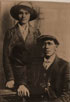 A typical example was Mrs. Mary Johnny Kavanagh of Caplin Bay, who, in addition to her work in raising a large family and her involvement in household production, also worked as a laundress for local middle-class families and was a highly respected midwife. According to the oral tradition, she never refused to come out to a birth, and on one stormy night when the horse drawing her carriage could go no further, she set out and walked the remaining distance herself. Similar discussions of irrepressible midwives and the respect they enjoyed in their communities appear in the literature. See, for example: Ulrich, Midwife's Tale; Light and Prentice, eds., Pioneer and Gentlewomen, 145-49; Susan E. Merritt, Her Story II: Women from Canada's Past (St. Catharines, ON: Vanwell, 1995), 18-26; and Catherine M. Scholten, "'On the Importance of the Obstetrick Art': Changing Customs of Childbirth in America 1760-1825," in Women's America: Refocusing the Past, ed. Linda Kerber and Jane Sherron de Hart (New York: Oxford University Press, 1982), 51-65. back
Note 140: Such is the impression created by the large numbers of male fishing servants (or their employers, who held back doctoring fees from their wages) among the debtors in these court actions. Granted, this may also simply reflect the disproportionately high numbers of male servants in the population. It is also possible that doctors were targeting the ready pool of local doctoring fees with their lawsuits, ignoring claims less likely to result in payments. Or perhaps fishing servants/employers were simply more recalcitrant bill-payers. Still, their overwhelming (almost exclusive) presence as defendants in court actions initiated by local doctors does suggest that, outside the local elite, the main focus of the doctors' attentions was the transient fishing servant population. back
Note 141: Even this system was not foolproof, however, as the court records contain numerous cases in which fishermen disputed payment of the fees. In 1836, an insurance fund for sick and disabled seamen, fishermen, shoremen, sharemen, sealers, and other fishing servants was established by legislation, with fees being held back from employees' wages for medical treatment. See 6 Wm. IV, Cap. 1, An Act for the Relief of Sick and Disabled Seamen, Fishermen, and other Persons," passed 30 March 1836. back
Note 142: Report of Lieutenant Douglas, HMS Phyllis, cited in Galgay and McCarthy, Shipwrecks, vol. 4, 11; italics added. Within the context of eighteenth-century Newfoundland, the term native was often used to distinguish local inhabitants of European extraction from visiting migratory fishermen. Douglas was likely referring in his report to a local woman of European extraction, not an aboriginal woman. back
Note 143: PRL, 340.9 N45, Trepassey–St. Mary's, Notice of Micajah Malbon, Surrogate, to Margaret Curry, 27 September 1802. back
Note 144: PRL, 340.9 N45, Trepassey–St. Mary's, M[ichael] D[avenport] Dutton v. Clapp and Co.; the initial court hearing was undated, but the hearing before Chief Justice Tremlett was dated 27 September 1803. back
Note 145: See, for example, Ulrich, Midwife's Tale, 214; and Scholten, "'The Obstetrick Art,'" 53. back
Note 146: ESX, interview by author, Calvert, 19 July 1999. back
Note 147: 6 Wm. IV, Cap. 13, An Act for the encouragement of Education in this Colony, passed 6 May 1836. back
Note 148: CO 194, vol. 70, fol. 227, Governor's Annual Return and Additional Information respecting Newfoundland, 1825. back
Note 149: CO 194, vol. 57, fol. 12, Governor's Annual Return and Additional Information, 1815. back
Note 150: PANL, GN 5/1/C/1, Ferryland, 45, Kearon Mulloney v. Henry Coryear, 11 May 1818. back
Note 151: PANL, MG 473, Goodridge Collection, 1841 ledger, fol. 306. back
Note 152: In Ferryland, for example, ten out of twelve members appointed to the board in May 1836, and ten out of thirteen in December 1836, came from the English Protestant group. Similarly, in Placentia–St. Mary's, ten out of thirteen of those appointed in August 1836, and nine out of thirteen appointed in December 1836, came from this group. See Journal of the Legislative Council [JLC], 1836 (St. John's: Ryan and Withers, Queen's Printer, 1837), appendix, "Education Returns" (unnumbered and unpaginated). back
Note 153: See JLC, 1836, appendix, "Education Returns": Bye-laws, Rules, and Regulations adopted by the Ferryland Board of Education, 16 October 1836; and Resolutions passed at a meeting of the Placentia–St. Mary's Board of Education, 22 August 1836. See also PANL, GN 21/1/A, Department of Education, Minute Book of the Protestant Board of Education for the District of Ferryland, 1836-37 and 1843-78, Minutes, 26 September and 8 October 1836 (note that, while the series is identified as relating to the "Protestant Board," the board was non-denominational until separate Catholic and Protestant systems were created in 1843). These ecumenical requirements did not become statutory until 1838, with the passing of 2 Vict., Cap. 5, An Act to amend…An Act for the Encouragement of Education in this Colony, passed 25 October 1838. back
Note 154: See 6 Vict., Cap 6, An Act for the Encouragement of Education in this Colony, passed 22 May 1843. back
Note 155: This was not the case everywhere on the island. In Conception Bay schools, for example, there were no female teachers appointed by the non-denominational board from 1836 to 1843. The Roman Catholic board in the district appointed only one female teacher during the period 1843-57: Mary Hearn, at Bryant's Cove. See PANL, GN 21/6/2, Department of Education, Minute Books of the Roman Catholic (again, actually non-denominational until 1843) Board of Education for the District of Conception Bay, 1836-57. back
Note 156: PANL, GN 21/1/A, Department of Education, Minute Book of the Ferryland Board of Education, Minutes, 26 September, 8 and 14 October, 1836, and 5 April and 4 October 1837. Note that Nicholas Fitzgerald's name does not appear on the final roster of 4 October 1837, but there is no indication elsewhere in the minutes that he has been replaced. Also, Robert Fitzharris was originally to be offered the school in Caplin Bay, but he had a drinking problem. He was to provide a certificate swearing that he would abstain from all intoxicating liquors (Minutes, 8 October 1836), but obviously he did not or could not comply, and his name did not appear on the final list. back
Note 157: An exception was the appointment of Elizabeth Coulman, an English Protestant woman who was hired to teach the predominantly Irish Catholic school population of Caplin Bay and Ferryland. The predominance on the board of English Protestant merchants from Caplin Bay and Ferryland may have been a factor in her hiring, for they may have wished to have a genteel woman of their own ethnoreligious group teach their daughters and younger children. Elizabeth's direct relationship to the locally powerful Carter family, and the fact that she had several relatives on the board, may also have influenced their decision. Nonetheless, she would have been a well-educated and certainly qualified to fill the position. Jane Winsor was also of English Protestant descent with middle-class ties, but this ethnoreligious group predominated in her community of Aquaforte, so her hiring fits the pattern of the other appointments. back
Note 158: JLC, 1836, appendix, "Education Returns." back
Note 159: JLC, 1860 (St. John's: Joseph Woods, 1860), appendix 36, "Second Year's Report upon the Inspection of Catholic Schools in Newfoundland, 1859" (Michael J. Kelly, Inspector), 352-418. Note that the inspector did not provide a full return for the St. Mary's area, and that four schools in that bay were not accounted for. back
Note 160: The Ferryland board, for example, confirmed that all schoolmasters under its jurisdiction would "be allowed from 15th June to 1st September to their own benefit to employ themselves as they chose, subject to the discretion of two Commissioners"—the stipulated time frame implying that the anticipated employment of choice for those masters who took advantage of this clause would be fishing. See PANL, GN 21/1/A, Department of Education, Ferryland Board of Education, Minutes, 4 October 1837. Classes were held year-round at this period, with short Christmas, Easter, and summer breaks, although most children would not have attended on such a regular basis. Note also that teachers' salaries were supplemented by student fees, but although a scale of fees was legislated, schools boards (and, later, teachers) had the authority to remit them in cases where students could not afford them—a common situation in many outports at the time. Thus the teachers' remuneration from pupil fees was very irregular and usually quite small. back
Note 161: During the study period, sex-segregated schools were established in St. Mary's (by 1838), Renews (1840), Admiral's Cove in Fermeuse (1854), Ferryland (1858-59), and Witless Bay (1860). Just after this period, separate schools for boys and girls were established in Cape Broyle (1865) and Bay Bulls (1866). See Frank Galgay, Michael McCarthy, Sister Teresina Bruce, and Sister Magdalen O'Brien, A Pilgrimage of Faith: A History of the Southern Shore from Bay Bulls to St. Shott's (St. John's: Harry Cuff, 1983). See also the various education returns in the appendices of the JLC. back
Note 162: JLC, 1860, appendix 27, 383. back
Note 163: JLC, 1860, appendix 27, "School Return for the Presentation Convent Schools for the year ending December 31, 1859," provided by Bishop John T. Mullock, 399. The sisters offered a curriculum based on that of the Irish National School System: reading, writing, arithmetic, English grammar, geography, history, drawing, maps, sewing, marking, needlework, and embroidery, with an industrial department that provided classes in weaving, spinning, and knitting. The obvious differences in relation to the desired curriculum for boys' schools was the omission of navigation and the addition of various domestic arts. This emphasis on preparing young women for motherhood and domesticity will be discussed again in Chapter 8. back
Note 164: JLC, 1878 (St. John's: J. C. Withers, Queen's Printer, 1878), appendix 40, "Syllabus for Grading Teachers," 417-19. back
Note 165: JLC, 1880 (St. John's: J. C. Withers, Queen's Printer, 1880), appendix 52, "Report on the Public Schools under Roman Catholic Boards for the year ended December 31, 1879," 399-517, especially 408-9. back
Note 166: Quotations from QSF, interview by author, Cape Broyle, 22 July 1999; similar sentiments were expressed by most informants. back